




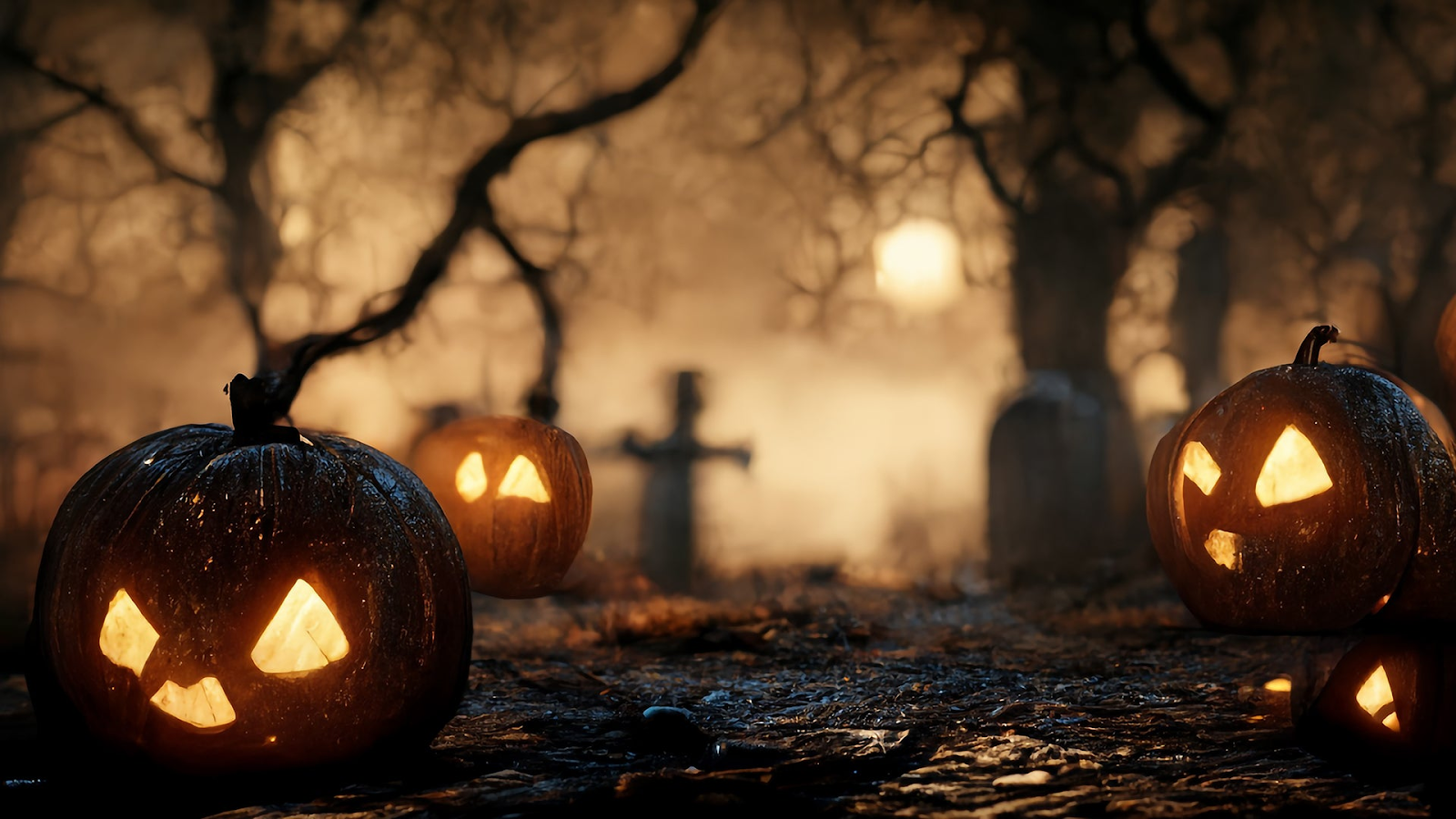

Halloween is one of the most universally recognized and celebrated holidays there is, but where did it start? Who created the idea of going door-to-door in costumes begging for candy? If you’re anything like me, knowing a little bit of the history beforehand is a great way to learn more about what you’re celebrating come this Halloween!

The Celts who used to live in present-day Ireland, UK, and some parts of France celebrated a holiday known as Samhain around the first few days of November. This holiday marked the end of the harvest season and the beginning of the “darker half of the year,” aka winter. Samhain was a time when the Celts believed that the boundaries between the dead and the living were blurred, and that on this night, spirits of those who had passed before them could cross over into the world of the living. During this time, they lit bonfires to ward off evil spirits, while also leaving all sorts of offerings such as food or other goods to appease the spirits and ask for their favor. The tradition of Halloween costumes also dates back to the time of the Celts, as they would typically wear costumes of animal skins during Samhain to “confuse and repel” any evil spirits that could be around them.

The Roman influence on Halloween is not as direct or significant as that of the Celts, but there are still plenty of connections between Roman history and modern-day Halloween. The tradition of bobbing for apples can be traced back to the Roman empire. The Goddess Pomona was the Roman goddess of fruit and trees, so her symbol was an apple. This fruit became heavily associated with the holiday of Halloween, as people began a game of letting apples float in large basins of water while people try to bite or catch them with their teeth. There was also another holiday celebrated by the Romans called Feralia, which was celebrated in late October. This holiday was to commemorate the dead, and it can be loosely tied to remembrance and connecting with the deceased during Halloween time.

As Christianity began to spread across the Roman Empire, Roman Catholicism had an influence on Halloween as well. The religion slowly absorbed and adapted local pagan traditions. One prevalent example is that of All Saint’s Day (aka All Hallows’ Day), which falls on November 1st every year. This holiday was established to honor all known and unknown saints, and the following day celebrates the souls of those departed from this Earth. Slowly, other pagan traditions were also incorporated in Christianity and their version of Halloween. Some such examples include lighting candles, carving turnips (which eventually turned into pumpkins), and dressing in costumes. The Catholic church encouraged these traditions in order to attract pagans to come and convert to Christianity.

As America began to grow as a country and immigrants from all over the world came, their hometown influences of Halloween grew into the melting pot we see Halloween as today. Colonial Americans did not celebrate Halloween because they viewed it as a strictly pagan holiday, but as an influx of Irish settlers came into the country, they brought with them their Christian Halloween traditions. Later, we also see the Scottish, German, and English slowly migrating over with their own traditions. As all sorts of different cultural groups lived together in different neighborhoods, their traditions began to intermingle and slowly made Halloween the holiday we know today! By the 20th century, Halloween became extremely commercialized, especially with the influx of productions of costumes, candy, and decorations. In modern times, Halloween has continued to evolve as a major holiday, influenced by those who popularize it through social media and overall global culture. It can now be found being celebrated in multiple countries that have their own sets of traditions and customs!


Powered by Bipper Media - a world class SEO agency. Check your website SEO authority score instantly here. Get VIP SEO services to grow your business!