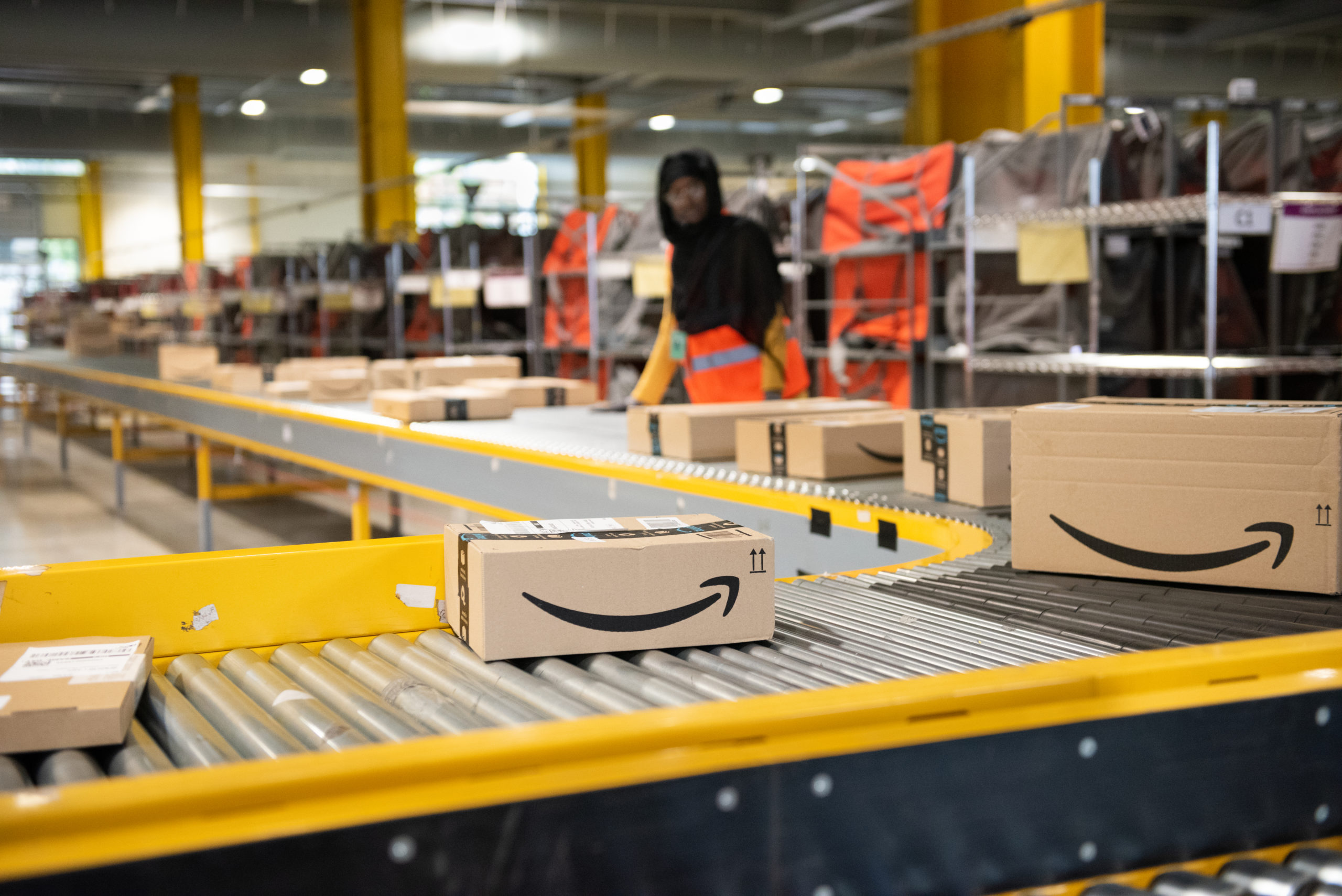
Amazon began laying off employees on Wednesday after major media sources said the tech giant planned to lay off around 10,000 employees and will continue laying off employees into 2023. This decision arrived with a wave of other tech companies following similar layoff patterns.
Employee Notice and Affected Departments
Amazon employees were given two weeks to make the decision to voluntarily leave their position with three months of severance pay and one week of salary for every six months of tenure. It’s unclear if this voluntary leave offer will extend to future layoffs.
According to an article from Vox, Amazon employees waited 48 hours after initially hearing about the expected layoffs before a top executive acknowledged and confirmed the rumors.
In a blog post directed to employees, CEO Andy Jassy said the company decided to begin layoffs because the economy is in a challenging position and Amazon rapidly hired many people over the past several years. Amazon is cutting out its least profitable departments which include thousands of employees.
“Our annual planning process extends into the new year, which means there will be more role reductions as leaders continue to make adjustments,” said Jassy in a statement to employees. “Those decisions will be shared with impacted employees and organizations early in 2023.”
The teams most affected by this decision include: devices and services (Alexa), retail and human resources. Despite the growth potential of Amazon’s voice assistant, Alexa, this program has an operating cost of nearly $5 billion per year. The devices and services department hosts over 10,000 employees who are now uncertain of the future of their job status.
Other employees who have just been laid off began posting job search inquiries on LinkedIn and reminiscing on their time at Amazon.
Similar Layoff Patterns in Other Tech Companies
Amazon is simply one of many major tech companies who recently laid off their employees.
Meta CEO, Mark Zuckerberg, said in a blog post to employees that he was reducing 13% of their staff and letting go of over 11,000 employees. He admitted he was wrong to believe the rapid growth during COVID-19 would continue indefinitely, and the company needs to make steps to become a “leaner and more efficient company” by decreasing discretionary spending.
Twitter employees received an email in early November letting them know they had been laid off. The impersonal email was signed “Twitter,” and employees were told they would receive more off-boarding information on how to turn in their company supplied materials. Twitter CEO, Elon Musk, let go of nearly 50% of Twitter’s staff by laying off 3,500 employees. An anonymous Twitter employee told KRON4 their department was “nearly gutted” after the cuts.
Why are these Tech Giants Laying off so many Employees?
Tech companies operate on a growth mentality meaning they ask investors to give money now to then see a greater return on their investments in the future. These companies rely heavily on research and development which lead to greater profits in the future.
However, interest rates are rising, and many investors are weighing the profitability of waiting for the payoff of innovation in the future when there could be higher profit investments available in the present.
After the Great Recession, tech companies profited off of low interest rates, and were able to garner investments from venture capitalists to dive into the evolving world of social and digital media. However, the post-pandemic rise in inflation coupled with high interest rates brought these tech giants back to earth. Investors don’t want to put money into unknown projects while the economy unfavorably looks at the tech sector.
Thus, companies like Amazon, Meta and Twitter must result to laying off employees and cutting down on large investments.
What Does the Future Look Like for the Tech Industry?
Will this trend continue for tech companies? Amazon predicts layoffs will continue into 2023, and Twitter and Meta agree that their companies will go on a hiring freeze for the time being. However, this doesn’t mean this is the downfall of the tech industry.
These major layoffs – though rare – match a similar pattern from the first dot-com crash in 2001. The dot-com bubble formed in the late 1990s during a time of high investment and low interest rates. Then, when the market crashed, interest rates rose and a recession came, many companies failed and had to let go of a majority of their employees. However, the tech industry bounced back and saw a surge in profits.
The current layoffs and consolidation in the tech industry does not mean this will hold for the future. The tech industry is in a slump right now, but future technology like virtual reality, artificial intelligence and the metaverse seem to be looming in the near future. This downward trend for tech companies will not last, but it’s a difficult time for the thousands of workers who lost their jobs in the past week and for those who will lose their jobs before this recession is over.