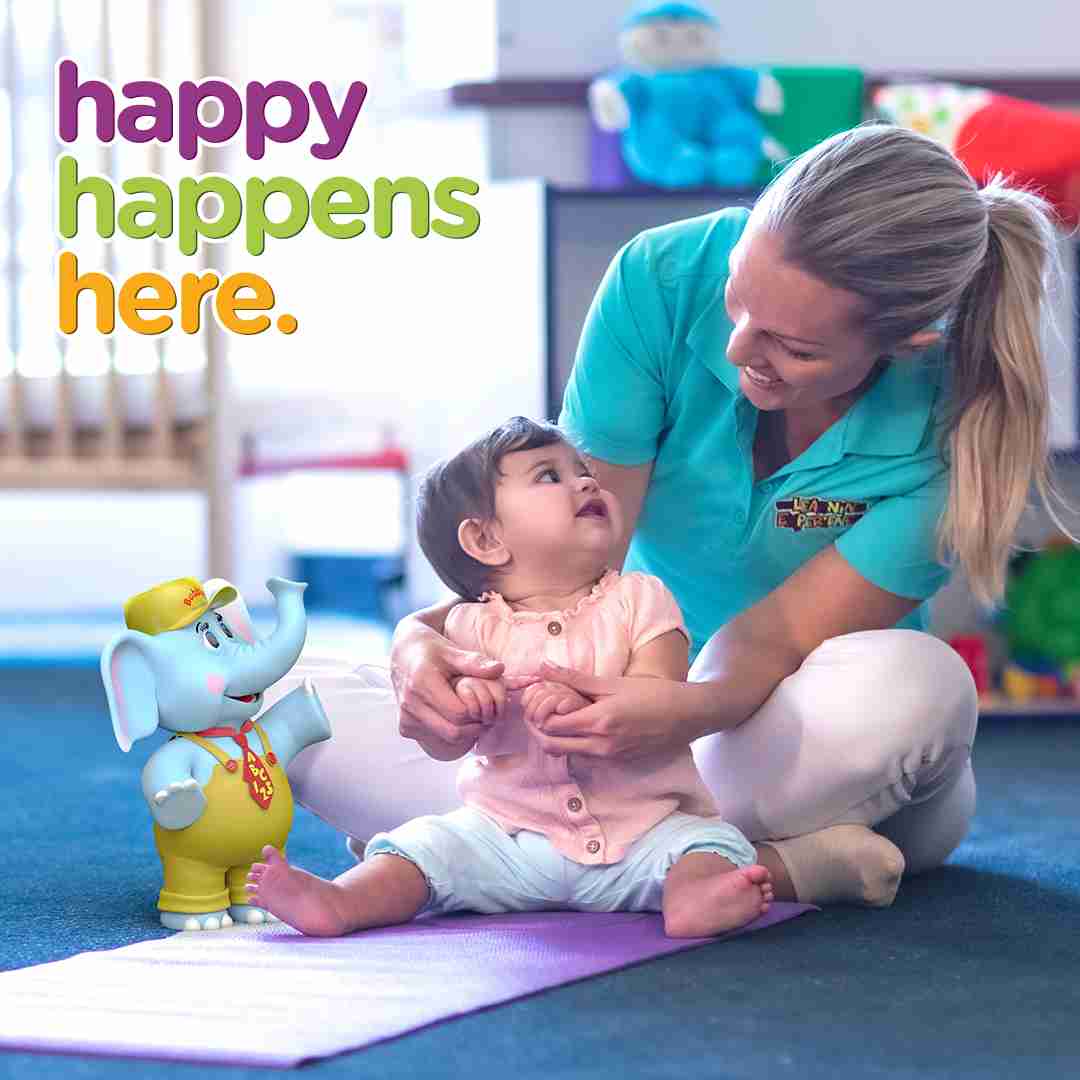
The journey of parenthood is a remarkable experience filled with joy, challenges, and a sense of responsibility like no other. As parents, we all strive to provide the best environment for our children to grow, thrive, and reach their full potential. In this endeavor, early stimulation plays a crucial role in shaping an infant’s growing mind. The first few years of a child’s life are a critical period of development, and the experiences during this time can have a profound impact on their future cognitive, emotional, and social abilities.

Understanding Early Stimulation
Early stimulation refers to the intentional engagement of an infant’s senses, cognition, and physical abilities through various activities and interactions. From the moment a child is born, their brain is rapidly forming connections and neural pathways. These connections are shaped by the environment and experiences the child encounters during their early years. Early stimulation aims to provide enriching experiences that support brain development and foster positive growth.
The Developing Brain
The human brain undergoes a remarkable transformation during the first few years of life. At birth, a baby’s brain contains billions of neurons that form the foundation of their neural network. However, many of these neurons are not yet connected. As the child experiences the world around them, neural connections strengthen, and unused connections are pruned away. This process, known as synaptic pruning, allows the brain to become more efficient and specialized.
Early stimulation helps activate and strengthen these neural connections, promoting the development of important cognitive functions such as language, memory, problem-solving, and emotional regulation. By providing a nurturing and stimulating environment, parents can lay a solid foundation for their child’s future learning and well-being.
The Power of Sensory Stimulation
Sensory stimulation is a fundamental aspect of early childhood development. Infants explore the world through their senses – touch, sight, hearing, taste, and smell. Engaging their senses through various activities like gentle touch, exposure to colorful objects, soothing sounds, and different textures helps in developing their sensory perception.
For example, playing with soft toys, providing colorful mobiles, or incorporating music into daily routines can foster a child’s sensory development. These experiences not only stimulate their senses but also contribute to emotional bonding between the child and caregivers, creating a secure and nurturing environment.
Language and Communication
Language development is a significant milestone during early childhood. The ability to communicate effectively is essential for social interaction, cognitive development, and academic success. Parents can encourage language development by engaging in verbal communication with their infants. Talking, singing, reading, and responding to their babbling are simple yet powerful ways to promote language skills.
Early exposure to language and communication not only enhances vocabulary but also improves the child’s ability to understand and express emotions. Additionally, reading to infants has been shown to foster a love for books and learning, setting the stage for a lifetime of curiosity and exploration.
Cognitive Stimulation and Problem-Solving
Cognitive stimulation involves activities that challenge an infant’s thinking and problem-solving abilities. Simple games like peek-a-boo or hide-and-seek help develop object permanence and problem-solving skills. As the child grows, more complex activities, such as building blocks or puzzles, encourage logical thinking and spatial awareness.
It is essential to strike a balance between providing stimulating experiences and allowing the child to explore and learn at their pace. Pushing a child too hard or overwhelming them with constant stimuli can have adverse effects on their development.
Emotional and Social Development
Early stimulation also plays a vital role in emotional and social development. Responsive caregiving, affectionate touch, and positive interactions build a strong bond between the child and their caregivers, fostering a sense of security and trust. This emotional security forms the basis for healthy relationships later in life.
As infants interact with others, they begin to understand emotions and develop empathy. Socializing with other children in safe environments, such as playgroups or daycare, exposes them to new experiences and helps develop social skills like sharing, cooperation, and turn-taking.
The Role of Play
Play is a natural and essential part of childhood. It is through play that children learn, explore, and make sense of the world around them. Play-based early stimulation activities support various aspects of development, including physical, cognitive, emotional, and social skills.
Structured playtime with age-appropriate toys and activities, as well as unstructured play where children can freely explore their surroundings, both contribute significantly to early stimulation. Playtime also fosters creativity, imagination, and problem-solving abilities.
The Learning Experience Supports Your Child
Early stimulation is a vital aspect of nurturing an infant’s growing mind. By providing enriching experiences and interactions, parents can support their child’s cognitive, emotional, and social development during this critical period. Engaging their senses, promoting language skills, encouraging cognitive exploration, and fostering emotional security are essential elements of early stimulation.
As parents, caregivers, and society at large, investing in early stimulation is an investment in our children’s future. By laying a strong foundation in the early years, we empower them to navigate the world with confidence, curiosity, and resilience. Early stimulation, filled with love, care, and exploration, shapes the path for a lifelong journey of learning and growth. Visit The Learning Experience to see how it can support your child as they grow