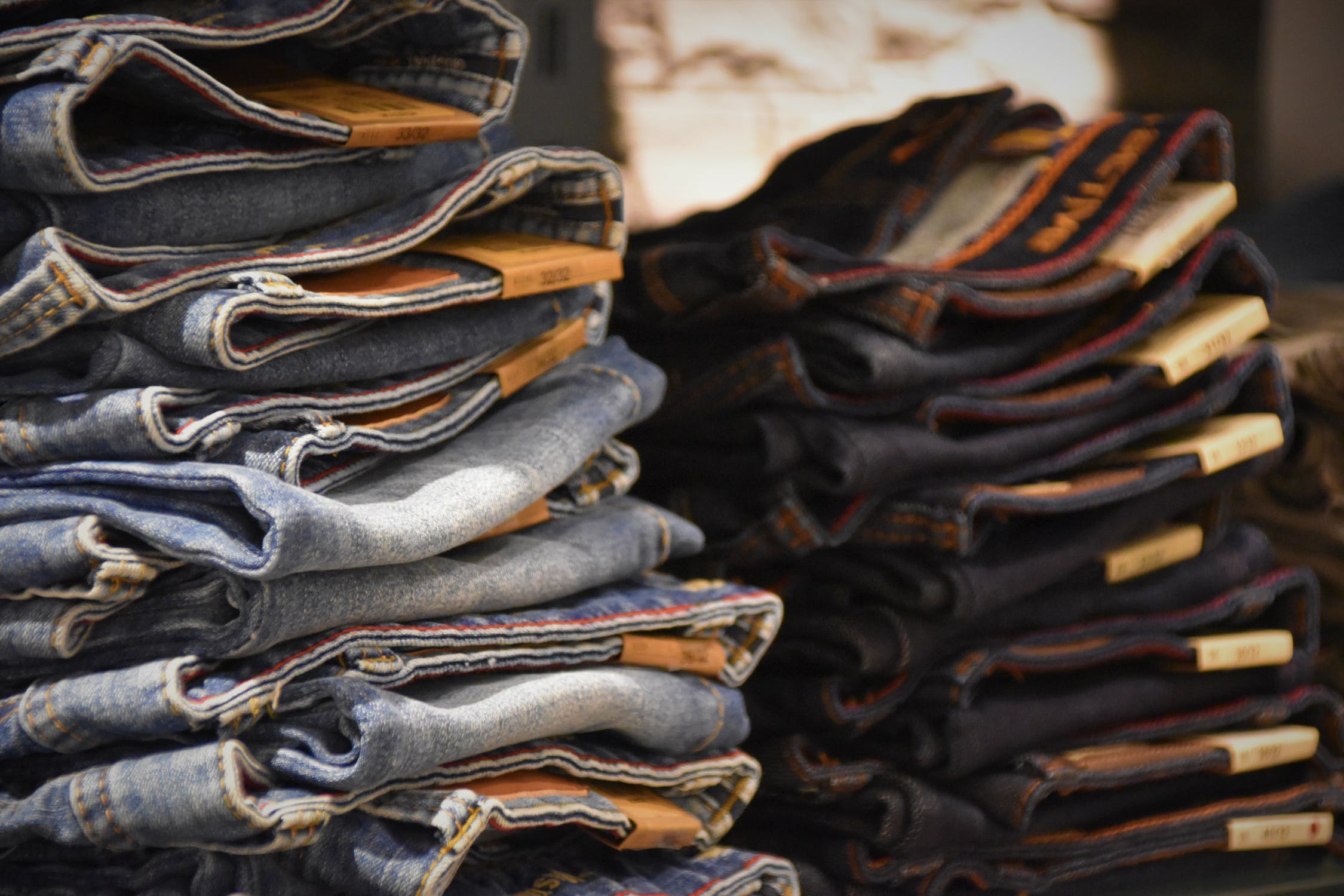
Many clothing companies have found themselves in positions that allow them to achieve fast growth. Technology and social media culture have accelerated the outreach of many businesses and allowed companies to reach larger audiences than they ever would have otherwise. A direct result of this has been a change in the fashion industry and how clothing is manufactured. The traditional seasonal drop of new items has been replaced by a new way of producing clothes. This phenomenon is known as “fast fashion”.
Fast fashion refers to a new strategy in management and production that primarily focuses on sampling pieces from the runway and influencer culture to create trendy pieces that are affordable for consumers. The most important factor is the emphasis on a fast turnaround. Items need to be produced and available while the trend is still popular so that the public can purchase the item while the trend is at its peak. Additionally, the item must be at an affordable price point so that much of the social class can afford it. As soon as it dies off, the items are discarded, and the process begins all over again.
Fast Fashion and Shein
Many newer companies have reached tremendous popularity due to these practices. One example is the company, Shein. Shein sells clothes and other items at prices that are unusually low in comparison to other competitors in its market, making it very attractive to buyers. This aspect paired with expedited manufacturing results in profits for the brand and an increase in purchasing power for the consumer. However, fast fashion may be more detrimental than advantageous for both the consumer and producer.
Problems with Fast Fashion
The quick manufacturing process of fast fashion companies can be accredited to some questionable practices by these brands. Multiple fast fashion brands such as Fashion Nova and Shein have been accused of using sweatshops and child labor for cheaper means of production. The clothes produced are poorly made, with cheap materials and sometimes toxic dyes that are not eco-friendly. For these reasons, fast fashion clothes may not be sustainable or durable. The shortcuts taken during the production process to increase speed have negative impacts on the environment which raises questions about ethical practices and the social responsibility of these companies. Conjointly, fast fashion pieces are more likely to be thrown out after the trend dies down rather than being rotated as the season’s change. This practice is more expensive in the long term for buyers than alternating good quality items.
What Should Consumers Do?
While it can be easy to give in to fast fashion and remain aligned with social trends, consumers should be cautious when buying from these companies. Short-term satisfaction may not be worth long-term deficit spending and environmental damage.
Enter your domain below and get an instant Domain Rating – powered by Ahrefs – and compare it to your competitors.
Brian Blanche
Bobby and his team are very easy to work with. They communicate flawlessly and I love working with them. Almost ten plus years later they continue to keep me number 1 in my market online and strive for excellence!!
Powered by Bipper Media - a world class SEO agency. Check your website SEO authority score instantly here. Get VIP SEO services to grow your business!