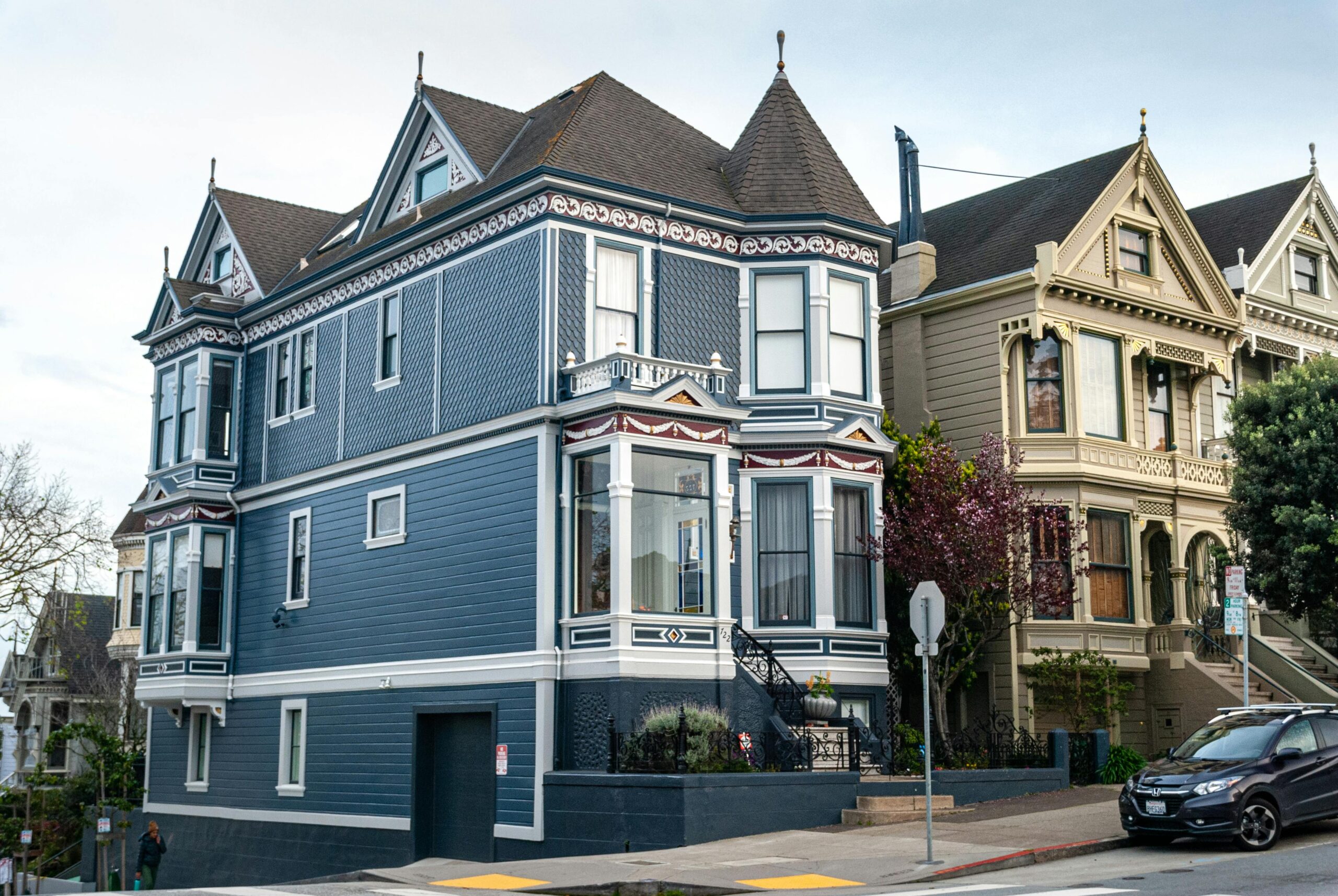
Choosing quality windows for a home in the San Francisco Bay Area requires balancing aesthetic, durability, energy efficiency, and how well a window performs in varied microclimates — fog, sun, seaside salt, inland heat, cold nights. Before you call a company for window installation in San Francisco, it is important to consider the key features and materials that make windows high quality in the Bay Area, along with trade‑offs to consider. We’ve highlighted those below.
Key Features for “Best Quality” Bay Area Windows
- Energy Efficiency
Because of the range of temperatures and the cost of energy, windows that reduce heat gain in summer and heat loss in winter are especially valuable. Features to look for include double‑ or triple‑paned glazing, Low‑E coatings, and gas fills (argon or krypton) between panes to improve insulation.
- Low Solar Heat Gain Coefficient (SHGC) & U‑Factor
A low SHGC helps limit how much solar radiation enters the house, keeping interiors cooler in sunny or very bright exposures. A good U‑factor means better insulation. Bay Area energy codes including California’s Title 24 often require high performance in these metrics.
- Durable Frame Material & Construction
• Fiberglass: excellent thermal performance, very stable (expands/contracts little with temperature changes), resists moisture and salt. Great along coasts or in foggy areas.
- Vinyl: cost‑effective, low maintenance; newer high‑performance vinyl windows include multi‑chambered frames and good glazing.
- Wood/Wood‑Clad: beautiful and classic, good insulator, but needs regular maintenance (painting/staining) in moist areas. Wood‑clad (wood inside, more durable shell outside) can give the look with less upkeep.
- Aluminum (with thermal break): gives very slim frames, modern aesthetics, great for large glass expanses and views. But aluminum without thermal break tends to conduct heat/cold and can introduce condensation issues. With proper design (“thermally broken frame”), it can perform well.
- Resistance to Moisture, Salt, and Weather
In coastal or fog‑frequent zones (e.g. San Francisco, Marin, coastal parts of Alameda, etc.), moisture, salt air, and wind can damage or degrade materials. Choosing frames and installations that resist rot, warping, corrosion is critical. Fiberglass and properly sealed, clad wood or aluminum with coatings help here.
- Sound Insulation & Safety
In busy areas or near freeways/transit corridors, sound reduction is a benefit. Laminated glass, multiple panes, tight seals help. Also, safety glass (laminated or tempered), especially for street‑facing windows, or in areas with fire or wind risk, is good.
- Compliance with Local Codes & Incentives
California has strict energy performance codes (Title 24) and many local incentives (rebates, tax credits) for energy‑efficient windows. Selecting windows that meet or exceed those standards can help pay back the investment.
Best Materials by Use Case
| Situation |
Best Material Choice |
Why |
| Coastal, foggy, salt‑air exposure |
Fiberglass or clad (wood + durable shell) |
Both resist moisture / rot, minimal movement with temperature / humidity swings. |
| Historic / architectural preservation |
Wood or wood‑clad |
Maintains look; wood‑clad gives interior authenticity with more durable exteriors. |
| Modern homes, large glass walls or views |
Thermally broken aluminum, fiberglass |
Slim frames for large panes; aluminum strength + breaks to control heat transfer; fiberglass for durability. |
| Budget / rental properties or smaller projects |
High‑performance vinyl |
Lower initial cost, good efficiency, low maintenance. |
Trade‑Offs & What to Watch Out For
- Upfront cost vs long‑term savings: Premium materials like fiberglass, wood‑clad, or triple‑pane glazing cost more initially but may save more over years via lower heating/cooling bills.
- Maintenance demands: Wood needs upkeep; seals and coatings may need resealing or redoing periodically.
- Installation quality matters: Even the best window will perform poorly if installed improperly (poor flashing, gaps, leaks). Make sure installers are experienced and follow good practices.
- Style & aesthetics: Sometimes a material is chosen more for how it looks than performance, which is valid, but then performance trade‑offs should be understood.
- Weight & structural support: Heavy materials (e.g. triple‑pane, wood) may require stronger framing or more robust structural considerations.
Call Window Replacement Center for your Window Installation in the Bay Area
For Bay Area homes, the “best quality” windows tend to be those that offer strong energy performance, durability against moisture and climate swings, and a frame material appropriate to setting, style, and maintenance capacity. Fiberglass (or clad materials), double‑ or triple‑pane glazing with low‑E coatings, and thermally broken frames are often among the top choices. While cost is higher for premium options, the improved comfort, reduced energy bills, and longer lifespan make them very compelling investments in this region.
For more than 25 years, Window Replacement Center in San Francisco has been specializing in window replacement, frameless glass shower installation, glass railing installation and sliding glass doors. Licensed and insured, our company also does glass enclosures and glass railings for stairs. We offer competitive prices so be sure to contact us at 415-926-2427 to speak with an agent for more information and to book online.
Frequently Asked Questions
What are the best materials for windows in the Bay Area?
The best materials for windows in the Bay Area typically include vinyl, fiberglass, and wood. Each material has its own advantages in terms of energy efficiency, durability, and maintenance, making them suitable for the region’s varied climate.
How do I choose the right window style for my home?
Choosing the right window style depends on your home’s architecture, personal preference, and functionality. Popular styles in the Bay Area include double-hung, casement, and sliding windows, which can enhance both aesthetics and energy efficiency.
Are energy-efficient windows worth the investment?
Yes, energy-efficient windows can significantly reduce your energy bills and improve indoor comfort. While they may have a higher upfront cost, the long-term savings on energy costs and potential tax incentives make them a worthwhile investment.
What is the typical lifespan of windows installed in the Bay Area?
Most quality windows can last between 20 to 30 years, depending on the materials used and the local climate conditions. Regular maintenance can help extend their lifespan and keep them performing optimally.
How can I ensure proper installation of my new windows?
To ensure proper installation, it’s best to hire experienced professionals who are familiar with the specific challenges of the Bay Area’s climate. They can ensure that your windows are installed correctly to maximize energy efficiency and durability.
Do I need a permit for window replacement in the Bay Area?
Yes, most cities in the Bay Area require permits for window replacement to ensure compliance with building codes. It’s advisable to check with your local building department before starting the installation process.