Sending your child to daycare can be a daunting task. You want them in an environment where they will grow and thrive. Knowing what they will learn can ease some of this anxiety and better prepare you for this next phase of your child’s life. It is also important to know what your child will be taught in school so you can continue this learning at home.
Social Participation
Whether your child has been around other children since birth or if coming to daycare is their first time experiencing socialization, social skills are a very important aspect of your two-year-old’s development. Being able to interact with other children socially will also help in your child’s verbal development and overall communication skills. In daycare, they will do activities like circle time and playing in groups to help with this learning.
Potty Training
Around the age of two, most parents begin potty training. Continuing with potty training at daycare is essential to the process. Regularly taking the child to the toilet at school, even if they say they do not have to go, exposes them to the expectation of going to the bathroom there.
Language Skills
At this age, your child will learn how to put together words to form two to three-word phrases, questions, and short sentences. Your two-year-old will learn how to speak and understand different terms and their meaning at a conversational level. Here are some common words and phrases your child should be learning:
- Action words to help with communication
- Names of body parts
- Animal names and the sounds they make
- Names (their own and the names of family and friends)
- Types of vehicles
- Household items (like utensils, furniture, clothing, and other things they use daily)
- Weather (sunny, rainy, cloudy, cold, etc.)
Along with verbal language skills, your child will also learn about reading. While no one expects your two-year-old to be able to read a book, they must be familiar with how to read a book—reading a book for two-year-olds looks like knowing the right way to hold it and read it from front cover to back cover. They should also begin to recognize that the letters and words on the page have meaning.
Physical Development and Movement
Most two-year-olds are already pretty physically active. In daycare, they will advance their fine motor skills. This will include things like:
- Jumping
- Climbing
- Running
- Throwing and catching a ball
- Stacking things like blocks
Manners and Etiquette
At this age, it is crucial that your child learns kindness and how to treat others properly. Two-year-olds can discover respect by using polite words and actions to show manners. At daycare, they will be learning things like:
- Saying excuse me for asking someone to move or get their attention
- Practicing waiting to talk and not interrupting a conversation
- Making eye contact when having a conversation
- Apologizing when they do something wrong
- Sharing toys and food
Self-Help Skills
A two-year-old is just beginning to learn how to do things independently. Their development needs to continue to grow this independence by giving them opportunities to learn and understand on their own. They will continue this learning through activities like:
- Feeding themselves: using utensils, choosing food, and practicing drinking from a non-sippy cup.
- Cleaning up: wiping up the messes they made, putting away their toys, and throwing away garbage.
- Putting on their jackets and shoes
Letters, Numbers, Shapes, and Colors
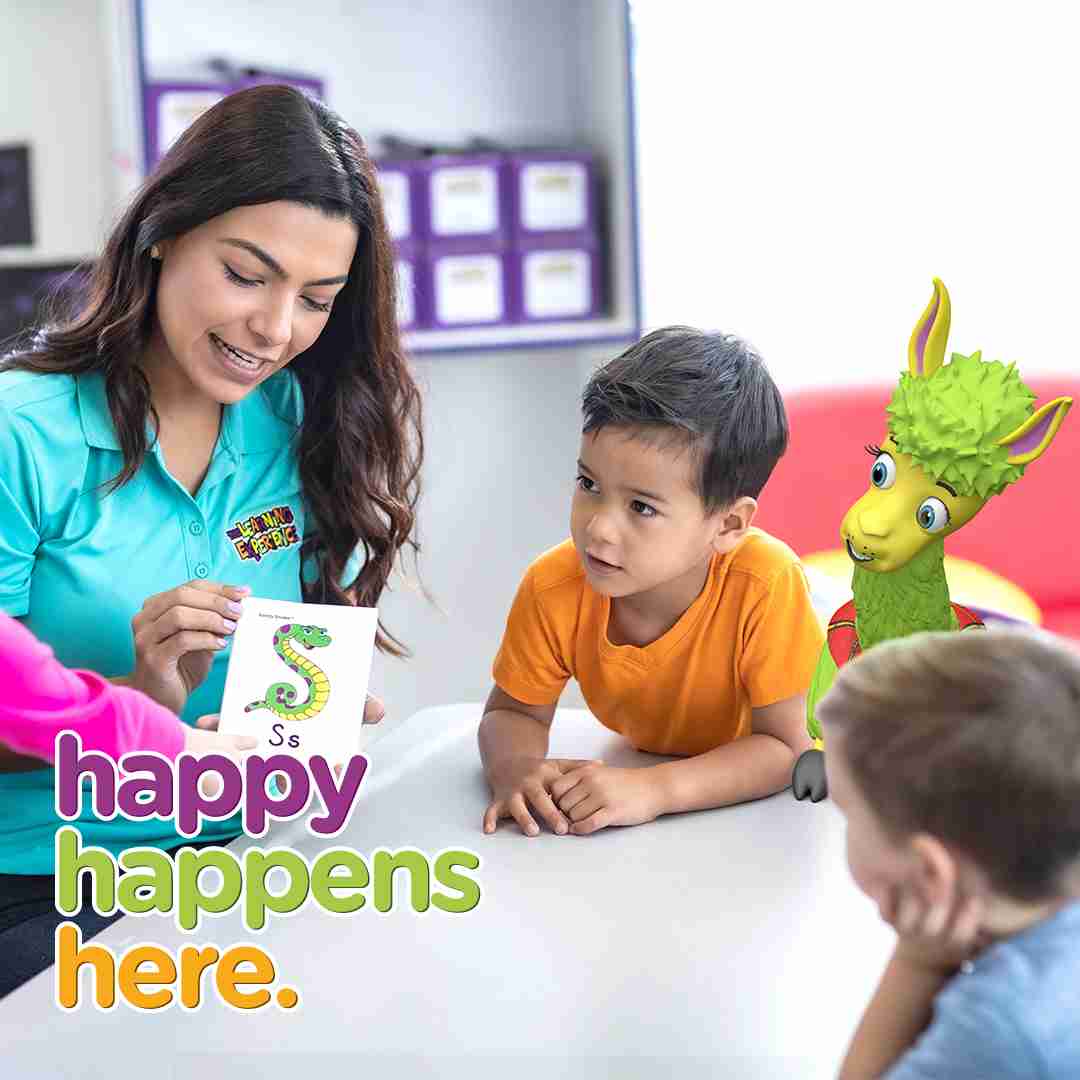
At this point, your child will probably already know many letters of the alphabet and possibly be able to recite the ABCs from memory. They will continue this learning by working on recognizing letters and the sounds they make.
While at daycare, your two-year-old will continue to learn numbers and work on recognizing and identifying them. They will also practice counting objects.
Along with recognizing letters and numbers, they will also begin to gain familiarity with shapes and colors. A fun way they will learn these things is through puzzles and matching games.
Arts and Creativity
At this point in your child’s education, they should be learning art activities like intentional marks on the paper, drawing a straight line down and across, and attempting to draw simpler shapes. Learning how to color pictures will help improve their drawing and writing later down the road.
Your child will also be practicing music and rhythm by singing and dancing. Playing with toy instruments like maracas, drums, and tambourines will help them learn how to make their music.
The Learning Experience Can Help
Learning at The Learning Experience is fun! If you are ready for your child to learn all this and more, find a TLE Center near you so we can show you how we can help your child grow!