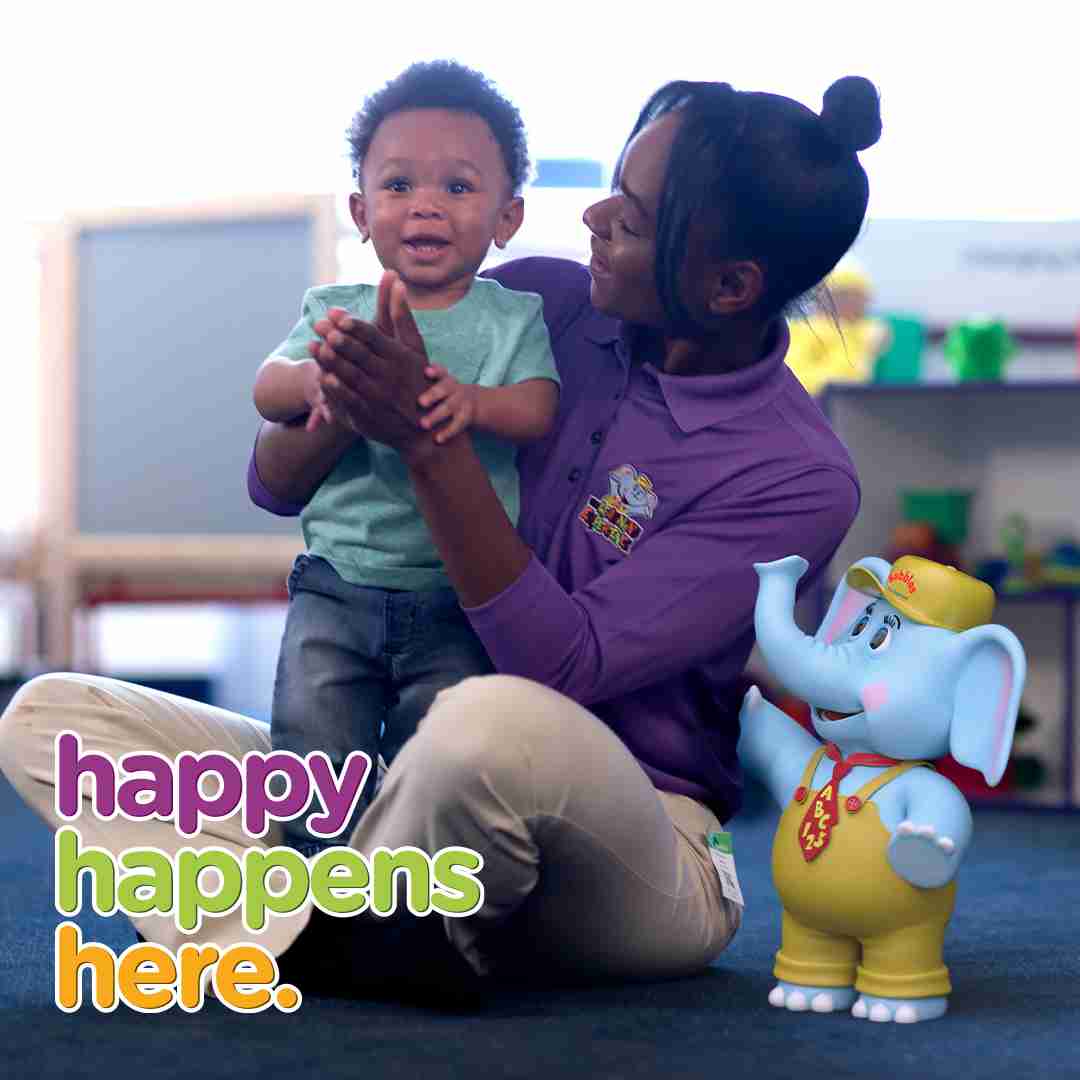
The “terrible twos” is a common phrase used to describe the challenging and often frustrating behavior that toddlers exhibit between the ages of 1 and 3. During this period, toddlers are undergoing significant developmental changes and are learning how to assert their independence. As a result, tantrums and other challenging behaviors can become more frequent. However, as a parent, there are several ways you can manage these behaviors and make the terrible twos less terrible.
Understanding Why Tantrums Happen
Tantrums are a normal part of toddler development and can happen for many reasons. Some common triggers include hunger, fatigue, boredom, and frustration. Toddlers may also have tantrums when they feel overwhelmed, powerless, or unable to communicate their needs effectively. Tantrums can be difficult to handle, but it’s essential to remain calm and understand that they are a normal part of your toddler’s development.
The Developmental Changes of a Two Year Old
At the age of two, the brain is developing rapidly, with an explosion of new connections being made every day. This development is particularly focused on the prefrontal cortex, which is responsible for regulating emotions, impulse control, and decision-making. As a result, two-year-olds may have difficulty controlling their emotions and behavior, leading to more tantrums and challenging behavior.
As their prefrontal cortex is still developing, they may not have the ability to regulate their emotions as well as older children or adults. This can lead to intense outbursts of emotion, such as crying, screaming, kicking, and hitting.
Explaining the Function of the Prefrontal Cortex
The prefrontal cortex is a region of the brain responsible for complex cognitive behavior, decision making, and personality development. It’s located at the front of the brain, and it’s one of the last regions to fully develop. In toddlers, the prefrontal cortex is still developing, which can lead to some interesting behaviors.
At two years old, toddlers are starting to develop their executive functions, which include planning, organizing, and regulating their own behavior. These skills are critical for success in school and life, but they’re not fully developed until the mid-20s. As a result, toddlers can struggle with impulse control and emotional regulation.
The prefrontal cortex also plays a role in attention and working memory. Toddlers have a limited attention span, and they may struggle to hold onto information for more than a few seconds. They also have a limited ability to switch their attention between different tasks, which can lead to frustration and tantrums.
Overall, the prefrontal cortex is a critical part of a toddler’s brain development. As parents and caregivers, it’s important to understand the limitations of this developing region and provide plenty of support and guidance as our little ones learn to navigate the world around them.
How to Respond to Tantrums and Challenging Behaviors as a Parent
- Stay Calm and Remain Patient
During a tantrum, it’s crucial to stay calm and avoid responding with anger or frustration. Toddlers are still learning how to regulate their emotions, and they need their parents to model appropriate behavior. Taking deep breaths, counting to 10, or walking away for a moment can help you stay calm during a tantrum.
- Acknowledge Your Toddler’s Feelings
When your toddler is having a tantrum, it’s important to acknowledge their feelings and validate them. For example, you might say, “I can see that you’re feeling frustrated right now,” or “I understand that you’re upset because you can’t have a cookie before dinner.” This helps your toddler feel heard and understood, which can reduce the intensity of their tantrum.
- Set Clear Boundaries
Setting clear boundaries is essential for managing challenging behavior in toddlers. Be consistent with your expectations and consequences, and make sure your toddler knows the rules. For example, you might say, “We don’t hit our friends when we’re upset. If you hit again, we will need to take a break from playing.”
- Use Positive Reinforcement
Positive reinforcement is a powerful tool for encouraging positive behavior in toddlers. When your toddler does something you like, such as sharing a toy or using kind words, offer praise and encouragement. For example, you might say, “I love how you shared your toy with your friend. That was very kind of you.”
- Distract and Redirect
Sometimes, distracting your toddler and redirecting their attention can be an effective way to manage tantrums and challenging behavior. Offer a new activity or toy, or simply change the scenery. For example, you might say, “Let’s go outside and play in the yard for a while,” or “Do you want to help me bake some cookies?”
Ways to Prevent Toddler Tantrums from Happening
Tantrums are a normal part of development for toddlers, but they can be exhausting and stressful for parents. Fortunately, there are some steps you can take to prevent tantrums from happening in the first place. Here are some strategies to consider:
- Stick to a routine: Toddlers thrive on routine and predictability. Make sure your child is getting enough sleep, eating regularly, and engaging in age-appropriate activities. This can help reduce the likelihood of tantrums by providing a sense of stability.
- Offer choices: Toddlers are starting to develop a sense of independence, and offering choices can help them feel like they have some control over their world. For example, let your child choose between two outfits in the morning or offer two snack options.
- Give your child space: Sometimes, toddlers need a break from stimulation or social interactions. If your child is starting to get agitated or overwhelmed, offer a quiet activity or some alone time to help them decompress.
Overall, preventing tantrums requires a combination of patience, consistency, and understanding. Remember that tantrums are a normal part of development, and with time and practice, your child will learn to regulate their emotions and behaviors more effectively.
Conclusion
Managing tantrums and challenging behavior in toddlers can be a daunting task, but it’s an essential part of parenting. By remaining calm, validating your toddler’s feelings, setting clear boundaries, using positive reinforcement, and distracting and redirecting their attention, you can make the terrible twos less terrible. Remember that every toddler is different, and what works for one may not work for another. With patience, understanding, and a little creativity, you can help your toddler navigate this challenging developmental stage and emerge with a stronger relationship than ever before. The Learning Experience can help you survive the terrible twos. Find a TLE Center to learn more ways to help you and your toddler.