Teaching toddlers to share is one of the most important and challenging aspects of early childhood development. At this age, children are naturally focused on their own needs and desires, and the concept of sharing can feel foreign to them. However, with patience, guidance, and consistency, toddlers can learn the valuable skill of sharing. Here are some strategies for parents, caregivers, and educators to help toddlers develop this essential social skill.
Model Sharing Behavior
Toddlers are keen observers and often imitate the actions of adults. One of the most effective ways to teach sharing is to model it yourself. Show your toddler that sharing is a positive behavior by practicing it in everyday situations. For example, share a snack with your child or let them see you offering something to another person. When your toddler observes you sharing, they will begin to understand that sharing is a normal and expected behavior.
Start with Small, Manageable Items
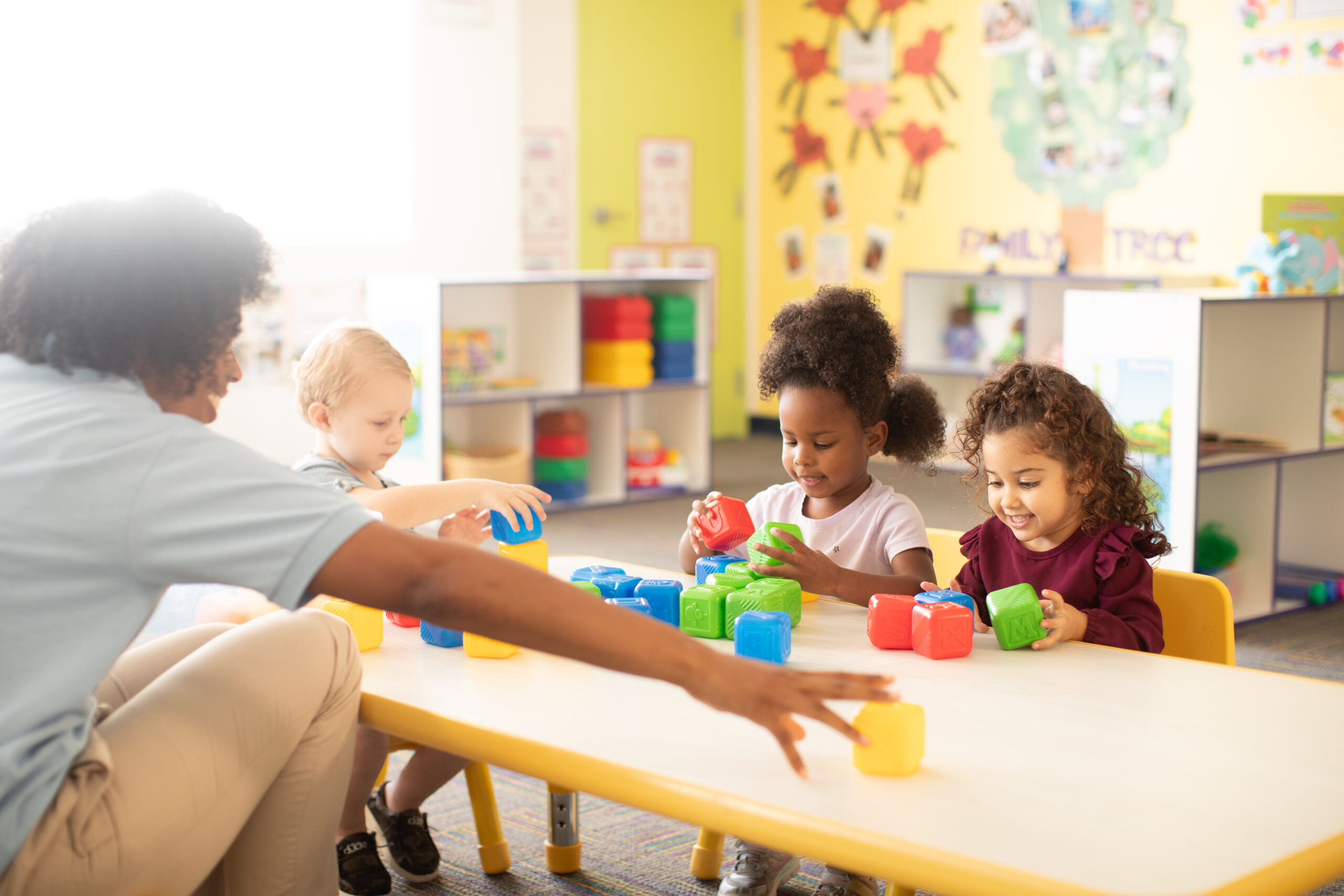
At first, it can be helpful to start with items that are easy to share. Instead of asking a toddler to share a beloved toy or their favorite object, begin with something less attached to their emotions, such as a set of blocks, a toy car, or a puzzle. Gradually, as your child becomes more comfortable with sharing, you can introduce more personal items. This step-by-step approach helps avoid overwhelming them with requests to share things that might be too important to them at that moment.
Use Positive Reinforcement
Praise your toddler when they do share, even if it’s only for a short period of time. Positive reinforcement encourages them to continue practicing good behavior. Saying things like, “I’m so proud of you for sharing your toy with your friend!” or “That was so kind of you to give that to your brother!” helps toddlers feel good about sharing. Over time, they’ll begin to associate sharing with positive outcomes, making them more likely to engage in it.
Set Clear Expectations and Boundaries
Toddlers thrive on routine and structure, so it’s essential to set clear expectations when it comes to sharing. Explain what sharing means in simple terms and how it works. You might say, “When you’re done with the toy, you can give it to your friend,” or “Let’s take turns with this block.” It’s important to be consistent with the language you use so your toddler understands the concept clearly.
Additionally, setting boundaries is equally important. While it’s crucial to teach sharing, there may be times when a toddler feels particularly attached to an item. It’s essential to acknowledge their feelings and give them space to express them. For example, “I understand you really love this toy, and I can see why you’re upset. Let’s let your friend have a turn, and then you can play with it again.”
Teach Turn-Taking
One of the building blocks of sharing is learning to take turns. Teaching turn-taking is a fun and effective way to help toddlers practice sharing. Use a timer or simply say, “Okay, it’s your turn now, and in a little while, it will be your friend’s turn.” This way, toddlers can grasp the idea that sharing doesn’t always mean giving something up permanently but can involve alternating or having a turn at different times. Using visual cues, such as taking turns with a toy, can also help toddlers understand the process.
Play Group Activities
Toddlers learn valuable social skills through group play. Encouraging them to participate in playdates, preschool activities, or group settings can help them practice sharing with other children. These environments allow toddlers to interact with peers and experience situations where sharing is required. However, it’s important to supervise and intervene when necessary, especially if conflicts arise. When disagreements occur, calmly guide the children through resolving the issue and emphasize sharing as a solution.
Use Books and Stories
Incorporating stories into your toddler’s routine is another way to teach sharing. Many children’s books are designed around themes of friendship, cooperation, and sharing. Reading these stories with your child can help them understand the importance of sharing in a relatable way. You can also ask questions like, “How do you think the character felt when they shared?” or “What would happen if the character didn’t share?”
Be Patient and Consistent
Finally, teaching a toddler to share takes time and patience. There will be moments of frustration, both for you and your toddler. It’s important to remember that sharing is a skill that develops gradually. Some children may take longer to feel comfortable with sharing than others, and that’s okay. The key is to remain consistent in your approach, providing gentle reminders and praise along the way.
Let The Learning Experience Foster the Sharing is Caring Motto with your Toddlers
Teaching toddlers to share is a process that requires patience, consistency, and positive reinforcement. By modeling sharing, setting clear expectations, and providing opportunities for practice, you can help your toddler develop this crucial social skill. Over time, they will come to understand that sharing is not just a rule, but a way to build connections, make friends, and create a more harmonious environment for everyone.
Fortunately, The Learning Experience can help foster sharing among toddlers. With childcare and early education programs having a curriculum created to meet or exceed nationwide standards, it is all-inclusive with all curriculum programs and enrichment programs like music, engineering and fitness, offered at no additional charge. Find a location near you!
The Learning Experience presents Bubbles and Friends, an award-winning educational cartoon for kids that makes learning fun! Each episode allows children to explore language and literacy, critical thinking, mathematical concepts, and social-emotional wellness through the power of story and music, crafted by experts in both the fields of childhood development and kids’ entertainment. Subscribe on Youtube, Spotify, and Amazon to stay up to date on Bubbles and Friends’ latest musical adventures in Happyville!