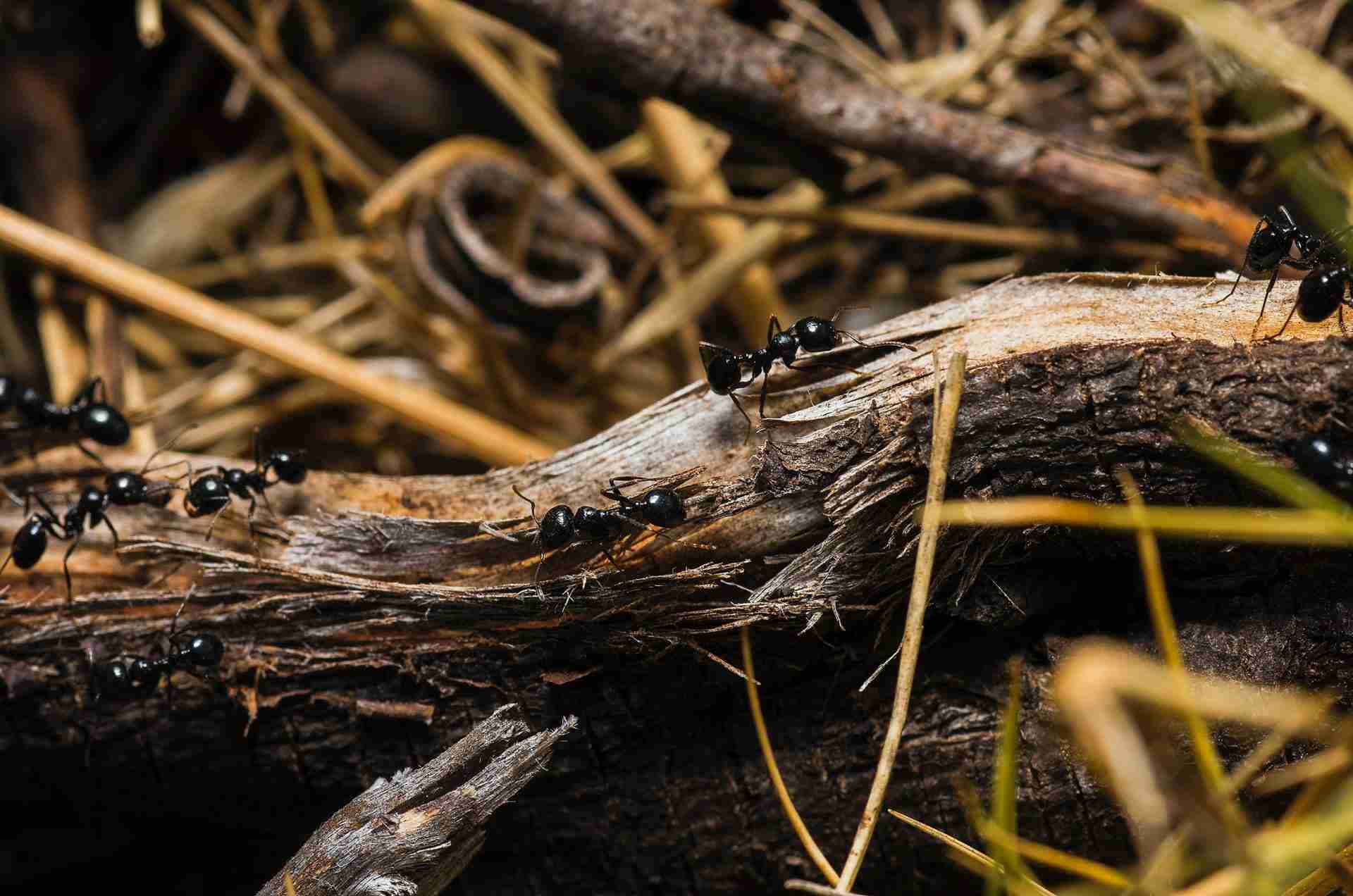
With more than 24,000 insects found in woodland areas of the UK, they play an important role in the ecosystem. However, while many of them can benefit the natural environment, others should be approached with caution — they can be dangerous to our health!
Understanding all there is to know about insects in the woods can be a great help to you and your family if you’re nature lovers. That way, you can admire what insects provide in nature as you spot them. This also helps educate you on which ones you should build protection against. Read on for more.
What Benefits Do Insects Provide?
First, let’s look at some of the main ways insects can benefit the ecosystem.
The Need for Bees (and Other Insects)
Certain insects, like bees, help with the pollination of plants and flowers that help them reproduce. Others whose part here include wasps, butterflies, moths, and beetles. This helps the forest thrive and survive!
Recycling Natural Matter
Insects help to decompose waste material like plants and debris from fallen trees, dead wildlife, and dung that gets added back into the soil. Ants, beetles, and flies work here allowing the forest to be kept clean and for recycling to take place.
Food for Predators
Many insects act as food for predators. Other wildlife in the forest like bats, mice, reptiles, and birds feed on insects that keep them alive. Even dragonflies find their food with mosquitos and are experts at catching them from the air!
Some Important Insects That Can be Found in the Woods
Here are some important insects that you can find in the forest along with the qualities they possess.
Heath Tiger Beetle
The Heath Tiger Beetle is a rare beetle, but a ferocious hunter nonetheless! It finds its habitat in lowland and open areas mainly around regions in the South of England.
Broad-Bordered Bee Hawk-Moth
Usually appearing during the summer, this large moth resembles that of a bumblebee. Although it’s not found in many areas, it is more common during this warm season in the Thetford Forest in Breckland.
Mosh Grasshopper
It’s large, full of colour, and commonly found in wetland regions. In the New Forest marshes and bog areas, this grasshopper finds its place to thrive!
How to Protect Yourself Against Insects in the Wood
While insects are important, they’re also a cause for concern too! This is especially true if you’re hiking, camping, or just strolling through the woods. Taking the right precautions can help protect you and your family as you enjoy a day out in the wild.
Here are some of the top safety measures you can take for bug protection:
Stay calm when you spot insects like wasps, bees, and hornets. Avoid drawing your attention to them by making signals with your arms to clear them away. While your initial reaction might be to swat at them, doing that could increase your chance of getting stung.
Be wary of the time of day you’re out in the woods. Insects tend to increase in numbers during sunrise and sunset. If you’re planning your adventure during these times, you’ll especially want to be prepared by wearing longer clothes that ensure no areas of your body are exposed.
Use insect repellent on exposed areas. It’s best to choose one that’s 50% diethyltoluamide (DEET) for added protection.
Try not to use strongly scented perfumes, or other products with smells such as aftershave, soaps, or deodorants. Insects can pick up on them and be drawn your way!
Camp more inland rather than around ponds, lakes, and other areas close to water. Horse flies and mosquitos can be more abundant in these areas. With this simple tip, you’ll be more likely to avoid them.
Ensure food and drinks are closed or capped after use. Insects, especially bees and wasps, are very crafty at making their way into unsealed cans, bottles, and packets. By keeping them secured, you can keep the bees at bay!
Extra Learning Resources for Your Kids
As well as teaching your kids about protection while in the wild, there are many more life skills they can learn early on. Taking them to a learning centre can provide additional opportunities for helping them grow and develop through their youth. Call The Learning Experience in East Finchley to find out more about how your child can get enrolled. For more information, visit The Learning Experience website.
Enter your domain below and get an instant Domain Rating – powered by Ahrefs – and compare it to your competitors.
Brian Blanche
Bobby and his team are very easy to work with. They communicate flawlessly and I love working with them. Almost ten plus years later they continue to keep me number 1 in my market online and strive for excellence!!
Powered by Bipper Media - a world class SEO agency. Check your website SEO authority score instantly here. Get VIP SEO services to grow your business!