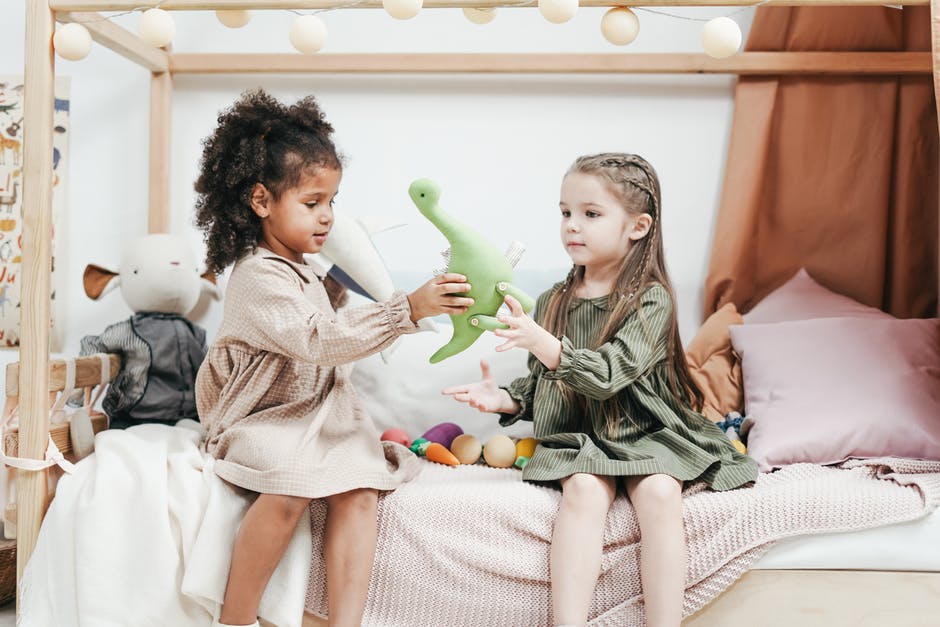
Did you know that families in the southwestern US states tend to have more kids? This number sits at approximately two per household. Although there are many nuances of parenting, one of the most important obligations that parents have is teaching children to share.
Understanding the importance of sharing will go a long way when it comes to that child’s personal development. To help ensure you get started on the right track, we’ve put together a guide with different ways to teach your child to share.
Let’s take a look at what you need to know about how to teach kids to share.
1. Turn Sharing Into a Game
One way to make sharing more fun for kids is to turn it into a game. This can be done by incorporating sharing into existing games or by creating new ones specifically designed around the concept of sharing.
That way, kids can learn about sharing while also having a good time. Here are a few games that incorporate sharing.
Hot Potato
This is a classic game that can be played with a group of kids. The objective is to pass an object around in a circle and whoever is holding the object when the music stops is out. Have the kids share something instead of passing an object.
For example, they can take turns sharing a story or a secret.
Simon Says
This is another game that’s perfect for teaching kids about sharing.
The basic rules are that the person who is “it” gives instructions that begin with “Simon says.” If the instruction doesn’t begin with “Simon says,” then everyone who does the action is out. To make this game about sharing, have the person who is “it” give instructions that involve sharing.
For example, “Simon says to share your toy with the person next to you.”
Musical Chairs
This is a popular game that can be easily adapted to teach kids about sharing. The basic premise is that there are fewer chairs than there are people and everyone walks around the chairs while music plays.
When the music stops, everyone tries to sit down in a chair. The person who doesn’t get a seat is out. To make this game about sharing, have the kids share the chairs instead of sitting in them.
2. Avoid Forcing Your Child to Share
Even though it’s important to teach kids about sharing, it’s also important to avoid forcing them to share. Forcing a child to share can lead to resentment and make them less likely to want to share in the future.
It’s okay to let your child have some time with their toys without having to share. You can also try to provide alternatives to sharing. For example, if your child doesn’t want to share their toy with another child, you can suggest that they trade toys for a certain amount of time.
This way, they can still have the opportunity to play with the toy they want without having to actively share it.
3. Model Sharing Behavior
One of the best ways to teach kids about sharing is to model sharing behavior yourself. When you share with others, your child will see that it’s something that adults do and that it’s okay to share. You can also talk about sharing with your child.
Explain why it’s important to share and give examples of how sharing can be beneficial. For instance, you can talk about how sharing can make someone else’s day better or how it can help a friend in need.
4. Use Positive Reinforcement
When your child does share, be sure to give them positive reinforcement. This can be in the form of verbal praise, a hug, or a sticker. It could also be in the form of privileges, such as getting to watch their favorite show or video.
Positive reinforcement will help your child understand that sharing is a good thing and that it’s something they should be doing.
What Are Common Mistakes Parents Make?
There are a few common mistakes that parents make when teaching their kids about sharing. One of the most common is to use sharing as a way to punish their child. For example, if your child doesn’t want to share their toy with another child, you might take the toy away from them.
This will only make your child resentful and less likely to want to share in the future. Another common mistake is to force kids to share when they don’t want to. This can lead to resentment and make them less likely to want to share in the future. It’s okay to let your child have some time with their toys without having to share.
You can also try to provide alternatives to sharing. For example, if your child doesn’t want to share their toy with another child, you can suggest that they trade toys for a certain amount of time. This way, they can still have the opportunity to play with the toy they want without having to share it.
Finally, a common mistake is not giving kids enough time to adjust to the idea of sharing. They might not be ready to share right away, but with time and practice, they’ll get there.
Knowing How to Teach Kids to Share Is Easier Than You Think
Sharing is an important part of personal development and there are many different ways to teach kids about it. By keeping the above guidelines in mind, you’ll have a strong understanding of how to teach kids to share and avoid problems in the future.
Want to learn more about what we have to offer? Feel free to get in touch with us today and see how we can help.
The Learning Experience – Long Island City
27 – 28 Thomson Ave
Long Island City, NY 11101
(718) 433-4007
https://thelearningexperience.com/center/long-island-city?utm_source=Google&utm_medium=MyBusiness