Introducing toddlers to animals is not just a fun experience. It’s also essential for their cognitive and emotional development. At this early stage, children are naturally curious and responsive to the world around them, especially when it involves animals. Teaching toddlers about animals can help them learn new vocabulary, develop empathy, and understand basic biological concepts. Here are some of the most effective and engaging ways to help toddlers learn about animals.
1. Use Picture Books and Storytime
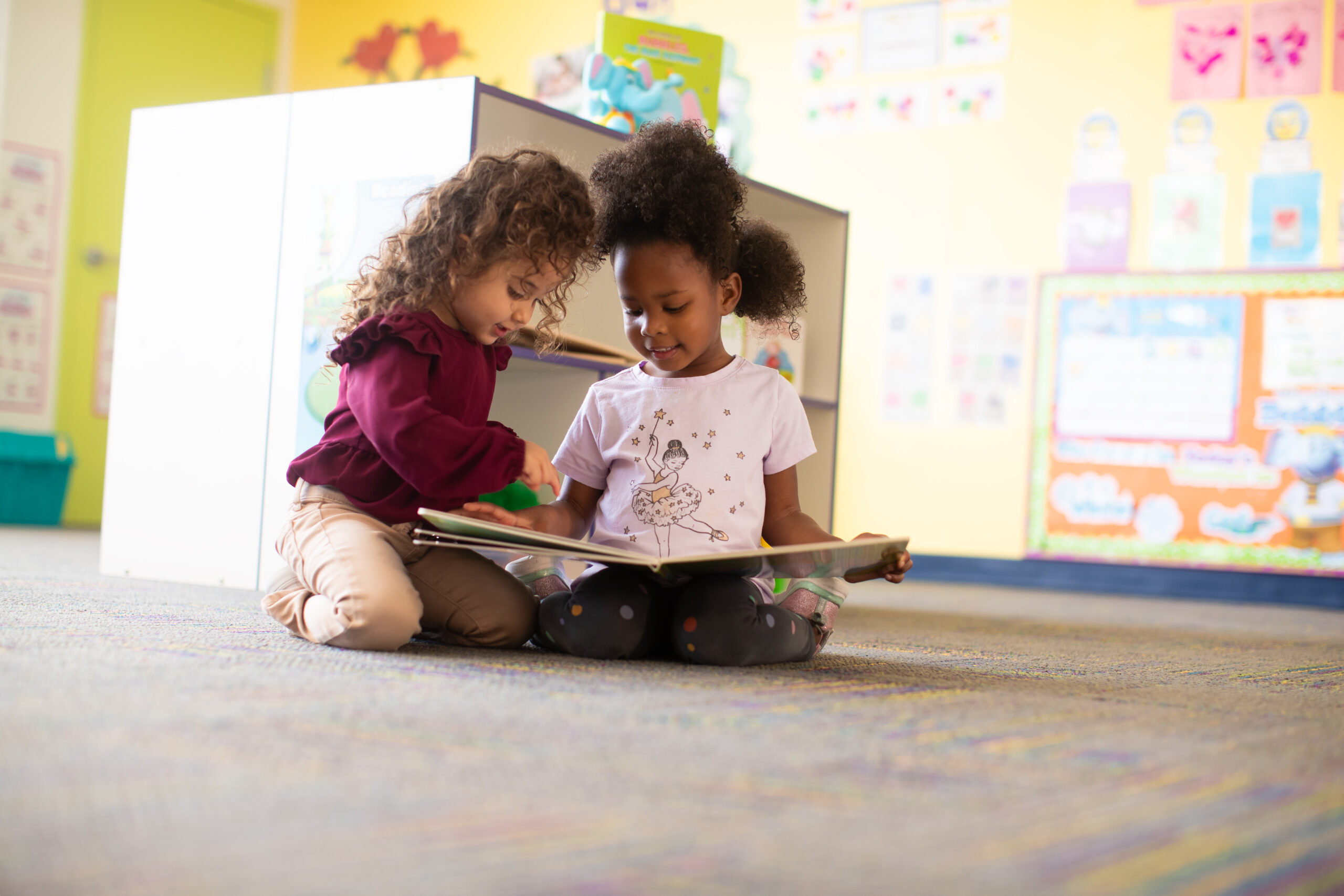
Picture books with animals are an excellent starting point. Toddlers benefit from colorful visuals and simple, repetitive text. Books like Brown Bear, Brown Bear, What Do You See? or Dear Zoo are beloved classics for combining rhythm, rhyme, and animal illustrations that toddlers can easily identify. When reading, emphasize animal names and sounds to reinforce recognition and language development.
2. Incorporate Animal Sounds and Songs
Toddlers learn best through music and movement. Singing animal-themed songs such as “Old MacDonald Had a Farm” or “The Animal Sounds Song” helps children associate animals with the sounds they make. You can enhance the experience by using hand motions or stuffed animals to act out the lyrics. This multisensory approach helps toddlers retain information while having fun.
3. Interactive Play with Animal Toys
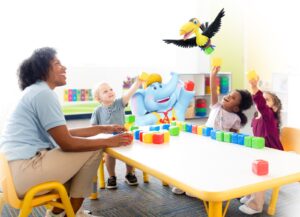
Animal figurines and plush toys allow toddlers to explore through tactile play. Grouping toys by habitat (farm, jungle, ocean) can teach them about where animals live. You can also use toys to play matching games, where toddlers pair animal figures with flashcards showing pictures of the same animal. This promotes critical thinking and improves memory skills.
4. Visit Zoos, Farms, or Petting Zoos
Real-life experiences leave lasting impressions. Visiting a zoo, farm, or petting zoo allows toddlers to see, hear, and sometimes touch animals in a safe environment. These visits can be exciting opportunities to talk about animals’ names, behaviors, and environments. Keep outings short to avoid overstimulation and bring along a picture book to reinforce learning.
5. Watch Educational Animal Videos
Screen time can be valuable when used appropriately. Short, educational videos tailored for toddlers like those from Sesame Street, Peppa Pig, or National Geographic Kids introduce animals in an engaging and age-appropriate way. Choose videos that are slow-paced, have clear narration, and focus on a few animals at a time to avoid overwhelming your child.
6. Create Animal Art and Crafts
Arts and crafts let toddlers express what they’ve learned creatively. Simple projects like coloring animal pages, making paper plate masks, or gluing cotton balls onto a sheep cutout can help reinforce recognition and characteristics. While crafting, name the animal and describe its features like “This is a lion. It has a big, fluffy mane.”
7. Use Everyday Opportunities
Everyday life presents plenty of opportunities to teach toddlers about animals. Point out dogs on walks, birds in trees, or insects in the garden. Use simple language: “Look at the squirrel climbing the tree. It has a bushy tail!” Repeating observations in daily life helps toddlers connect concepts and build vocabulary.
8. Encourage Role-Playing
Pretend play is a powerful learning tool. Encourage your child to act like animals—crawling like a bear, hopping like a frog, or flapping like a bird. This kind of kinesthetic activity builds both physical coordination and animal recognition while fostering creativity.
Learning is Fun at The Learning Experience
Teaching toddlers about animals should be a joyful, interactive experience. By blending books, songs, play, and real-world exploration, you create a learning environment that’s both educational and memorable. Keep it simple, stay consistent, and most importantly, have fun with it. With time, toddlers will not only learn about animals but also develop a lifelong appreciation for the natural world.
At The Learning Experience, we encourage creativity, exploration, and learning. From infancy through preschool, we make early education and daycare joyful, engaging and fun! Our childcare and early education programs include a curriculum created to meet or exceed nationwide standards, and it is all-inclusive—with all curriculum programs and enrichment programs like music, engineering and fitness, offered at no additional charge. Visit a location near you today!
Also be sure to check out The Learning Experience’s award-winning educational cartoon for kids, Bubbles and Friends! Each episode allows children to explore language and literacy, critical thinking, mathematical concepts, and social-emotional wellness through the power of story and music, crafted by experts in both the fields of childhood development and kids’ entertainment. Subscribe on Youtube, Spotify, and Amazon to stay up to date on Bubbles and Friends’ latest adventures in Happyville!