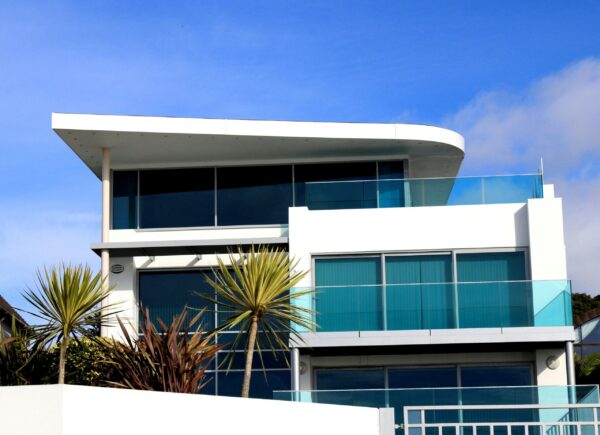
Glass fencing has become a popular choice for San Francisco homeowners and business owners looking to combine elegance, safety, and unobstructed views. Whether you’re enclosing a pool, balcony, rooftop deck, or patio, glass fencing offers a sleek, modern appearance that complements the city’s scenic beauty and contemporary architecture. However, before hiring a company for glass fencing installation in San Francisco, there are several important factors to consider, from design and materials to local regulations and maintenance.
1. Understand the Purpose and Placement
The first step in planning a glass fence installation is defining its purpose. Are you looking for safety around a pool? Privacy on a deck? Or a stylish barrier for a commercial property? The intended use determines the type of glass, height, and framing system needed.
- Pool enclosures: In California, pool fences must comply with state safety codes to prevent accidental drowning. The fence typically needs to be at least 60 inches high and feature self-closing, self-latching gates.
- Balcony or rooftop fences: These installations require tempered or laminated safety glass that can withstand high winds and impact, especially considering San Francisco’s frequent gusts.
- Yard or garden boundaries: For these areas, you can opt for semi-frameless or fully frameless systems that emphasize aesthetics and maximize visibility.
2. Local Building Codes and Permits
San Francisco has strict building codes designed to ensure public safety and preserve the city’s unique architectural character. Before installing a glass fence, you’ll need to confirm local zoning laws and permit requirements.
- Permits: Most permanent glass fence installations require a building permit. The San Francisco Department of Building Inspection (SFDBI) can provide detailed information about what’s required for your specific property.
- Height and setback restrictions: Depending on your neighborhood or property type, there may be limits on how tall a fence can be or how close it can sit to property lines.
- Seismic safety: Because San Francisco is in an earthquake-prone region, glass panels must meet California Building Code standards for seismic safety. Choosing high-quality tempered or laminated glass ensures compliance and reduces the risk of shattering during tremors.
Working with a licensed contractor familiar with local regulations will help ensure your project passes inspection and avoids costly delays.
3. Choosing the Right Glass and Hardware
Not all glass fencing is created equal. Quality and safety depend heavily on the materials used.
- Tempered glass is the most common option, as it is heat-treated for extra strength and breaks into small, less dangerous pieces if shattered.
- Laminated glass includes a plastic interlayer that holds the glass together when broken, offering additional protection—ideal for balconies or high-traffic areas.
- Hardware options such as stainless steel spigots, clamps, and posts should be marine-grade to resist corrosion from San Francisco’s salty coastal air.
If you’re near the ocean or in an area with frequent fog, corrosion-resistant materials are a must to prevent rust and staining over time.
4. Aesthetic and Privacy Considerations
One of the greatest appeals of glass fencing is its clean, transparent appearance. However, you can customize it for greater privacy or design impact.
- Frosted or tinted glass can create a semi-private barrier while still allowing light to pass through.
- Frameless systems provide the most modern, minimalistic look, ideal for luxury homes and upscale commercial properties.
- Framed or semi-frameless systems offer more structural support and can complement traditional architectural styles.
Balancing beauty with functionality ensures the fence enhances—not detracts from—your property’s character.
5. Maintenance and Longevity
Although glass fencing is durable and low-maintenance, it still requires care to keep it looking pristine. Salt and mineral deposits can accumulate on the surface, especially in coastal areas. Regular cleaning with a mild detergent and non-abrasive cloth can prevent buildup and maintain clarity. Choosing glass treated with a protective coating can further reduce spotting and simplify upkeep.
Additionally, routine inspections of hardware and joints help ensure long-term stability and safety.
Call Window Replacement Center about Glass Fencing for your Home in San Francisco
Installing glass fencing in San Francisco is an excellent way to elevate your property’s aesthetics while maintaining safety and functionality. However, successful installation requires thoughtful planning—considering local building codes, environmental conditions, and material quality. By working with an experienced, licensed installer who understands the unique demands of San Francisco’s climate and regulations, you can enjoy a durable, elegant fence that complements the city’s beautiful surroundings and enhances your property for years to come.
Based in San Francisco, Window Replacement Center has been specializing in window replacement, glass railing installation and sliding glass doors and frameless glass shower installation, for over 25 years. Licensed and insured, our company also does glass railings for stairs. We offer competitive prices so be sure to contact us at 415-926-2427 to speak with an agent for more information and to book online.
Frequently Asked Questions
What are the main benefits of installing glass fencing?
Glass fencing provides a modern and elegant look while ensuring safety and security. It allows for unobstructed views, making it an ideal choice for properties with beautiful surroundings, such as pools and patios.
Are there specific regulations for glass fencing in San Francisco?
Yes, San Francisco has regulations regarding the height and design of glass fencing, especially for pool enclosures. It’s crucial to check local codes to ensure compliance before installation.
What types of glass are recommended for fencing?
Tempered glass is typically recommended for fencing due to its durability and safety features. It is designed to withstand impact and is less likely to shatter compared to regular glass.
How do I maintain glass fencing?
Maintaining glass fencing involves regular cleaning to prevent water spots and stains. Using a soft cloth and non-abrasive cleaner will help keep your glass panels looking clear and new.
Can I install glass fencing myself, or should I hire a professional?
While some homeowners may attempt DIY installation, it is advisable to hire a professional. Proper installation requires expertise to ensure safety and compliance with local regulations.
What is the typical cost of glass fencing installation in San Francisco?
The cost of glass fencing installation can vary based on the size and design of the project. It’s best to get quotes from multiple contractors to understand the average prices in your area.