College graduates can make $103,880/year in their first job, which is double the average starting pay. Getting into college requires exceptional academic grades and extracurriculars. The lack of educational preparation can hurt your child’s chance of getting into college.
Why not prepare your child for the real world? Early education can improve their self-help skills, brain development, and confidence. For more insights on early childhood education, keep reading to learn more.
1. Socialization
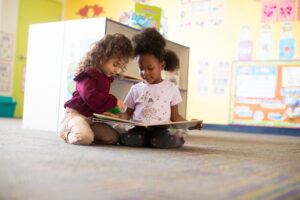
Toddler education can help your child develop skills like listening and taking turns. Instructors will use songs and games to educate youngsters on how to interact. The early childhood education curriculum will teach your kids the following social skills:
Develop the ability to articulate their feelings
Focus on coping with their emotions
Practice their listening skills
With several students and a small number of instructors, they will learn to take turns. Circle time teaches children about patients and active listening.
They will also learn about collaboration and working together. They learn to take turns speaking and share resources. This is useful for youngsters who don’t have siblings.
2. Superior Academic Results
Children who engage in early childhood education do better in grades K-12. Before entering kindergarten, those who attended preschool scored better in arithmetic and reading.
Early childhood education reduces the likelihood of placement in special education. It also enhances the chance of high school graduation. The graduation percentage for students who attended preschool was 80%. Those who did not participate have a 60 percent graduation rate.
3. Passion for Lifelong Learning
In preschool, toddlers learn by engaging in games and activities. They have the opportunity to learn many new things about the world in which they reside. There is also exciting music, art, and toys that kids cannot access at home.
These early experiences stimulate children’s desire to learn more. They cultivate a lifelong enthusiasm for information.
4. Enhanced Confidence
When children participate in preschool programs, they get copious amounts of reinforcement. They also have excellent connections with their instructors and peers. These early encounters contribute to the early development of your child’s self-esteem.
This self-assurance will carry them throughout their lives. In a supportive environment, early education can boost your child’s self-esteem.
5. Better Attention Span
Attention span is a child’s capacity to concentrate on the job at hand. This often includes filtering out sounds or visual stimuli. If your child has difficulty concentrating at school, they will struggle to keep up.
At home, youngsters get exposed to a lot of screen time, like tv. Who could blame busy parents for taking a break by letting their kids watch a little television? Early education provides a defined time for learning when your kid is not using a device.
6. Exposure to Diversity
Children will engage with classmates from diverse backgrounds at school. Diversity in color, class, socioeconomic background or religion is advantageous. This exposure will pave the road to success in the future.
7. Improve STEM Competences
Early education introduces your kids to STEM (Science, Technology, Mathematics, and Engineering). Early exposure to STEM subjects can improve their critical thinking skills.
In early childhood education programs, curiosity is emphasized. Teachers urge students to ask questions such as “why”, “what”, and “how”. The positive focus on these topics can sustain a lifelong interest in STEM fields.
8. Stay Active and Healthy
When children attend early education, they can study and remain active. Your child will have access to supervised outside time to play and explore.
They can participate in sports or play tag with other children. Staying physically active at a young age establishes healthy habits for life.
Early childhood education programs provide children with many opportunities to be creative. Art projects are where kids can get down and dirty with paint and canvas. When studying Thanksgiving, children may paint leaves or build traditional hand turkeys.
Exposure to music is also a crucial component of preschool programs. Early on, children can learn to sing, play instruments, and learn about sound. Making music and art pushes them to think outside of the box.
10. Improve Cognitive Development
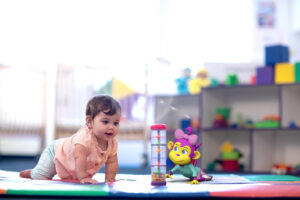
Children’s brains are shaped by both their genes and their surroundings. Babies are born ready to learn, with roughly 90 percent of brain growth happening. Vision and hearing pathways develop first, followed by language.
A child’s vocabulary quadruples between ages two and four. Children in preschool will get exposure to several stimuli to enhance brain development. This will improve their social, cognitive, and emotional abilities to succeed.
Assess Your child’s Learning and Development
Teachers can determine the knowledge and skills of each student. They do this by evaluating their performance. This allows them to decide which resources and activities can produce optimal results.
Teachers can keep regular records of what youngsters do and say. They can also collect drawings and writings. They use screening exams to determine whether students want further help.
Establishing Connections With Families
Teachers seek to develop relationships with family members. They know you are the most influential individual in your child’s life. Early education teachers will listen to the goals and concerns of parents.
They will use various methods to encourage families to join the program. They will respect each family’s language and cultural heritage. They will also attempt to converse in the family’s native tongue.
The Warning Signs
There are several preschool programs, but some are questionable. You may encounter elements that hinder your child’s learning and development. Here are some warning signs to be aware of:
Lacks Organization
Children are not immersed in activities and roam aimlessly. Another issue is that instructors supervise all activities, preventing youngsters from exploring.
They provide children with workbooks, flashcards, or toys that can only be used in one manner. Other items prohibit youngsters from making decisions and solving issues.
Lack of Engagement
Teachers do not engage in the activities of their students. They do not ask youngsters questions or provide recommendations to facilitate their learning.
Lack of Communication
Parents are seldom informed of their child’s academic achievement by teachers. They only communicate with families when there is an issue. Families are not communicated in a manner they can comprehend.
Is Early Education Right for Your Child?
Prepping your child can help improve their cognitive development to stay ahead in life. Aside from improving their academic skills, it can also boost creativity and confidence. This success can transfer to the future, so they can get a fulfilling career.
Now that you are excited about providing an early education journey for your child, you might have questions. Don’t worry, The Learning Experience is here to help. Find a TLE Center to learn how we can help your child reach their full potential.
Enter your domain below and get an instant Domain Rating – powered by Ahrefs – and compare it to your competitors.
Brian Blanche
Bobby and his team are very easy to work with. They communicate flawlessly and I love working with them. Almost ten plus years later they continue to keep me number 1 in my market online and strive for excellence!!
Powered by Bipper Media - a world class SEO agency. Check your website SEO authority score instantly here. Get VIP SEO services to grow your business!