




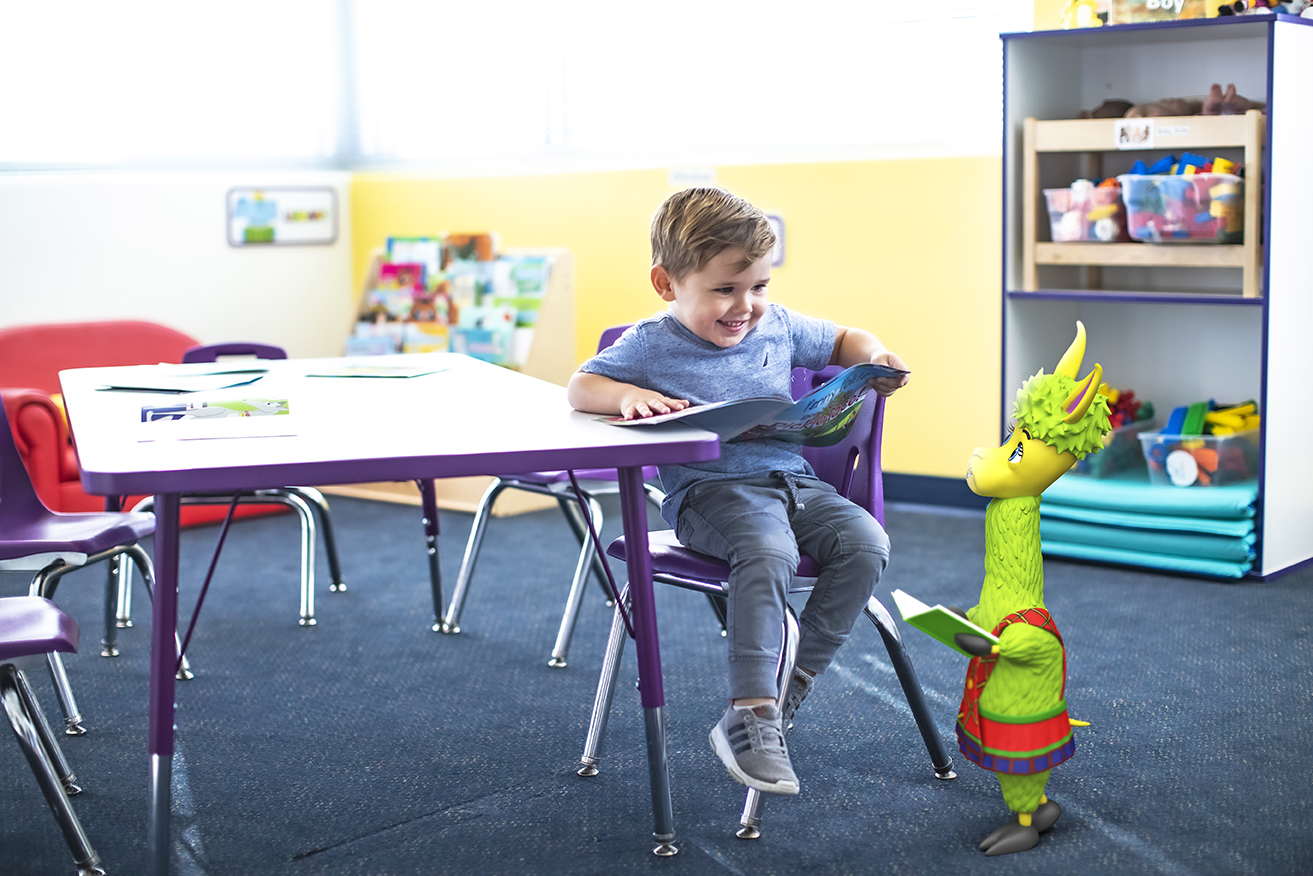

In a world filled with screens and digital distractions, nurturing a love for books and literacy in children is more important than ever. Reading not only opens doors to knowledge but also sparks imagination, creativity, and empathy. As parents and caregivers, it’s our privilege and responsibility to cultivate a passion for reading in young minds. In this article, we’ll explore the significance of raising readers, share strategies to instill a love for books, and discuss the lifelong benefits of fostering literacy from an early age.
Reading is a journey that takes children to far-off lands, introduces them to new ideas, and immerses them in captivating stories. The early years of a child’s life are a critical window for language development, and exposure to books lays a strong foundation for communication skills, vocabulary expansion, and cognitive growth.
Fill your home with a diverse range of age-appropriate books. Make books easily accessible in different rooms to encourage spontaneous reading.
Reading aloud to children, even before they can read independently, has numerous benefits. It introduces them to the rhythm of language, builds listening skills, and fosters a positive association with reading.
Let your children see you reading books, magazines, or newspapers. Children often imitate the behaviors they observe in adults.
Share personal stories, anecdotes, and family tales. Storytelling is an oral tradition that engages children’s imagination and encourages an interest in narratives.
Take regular trips to the library. Let children explore the shelves, choose their own books, and participate in library events and reading programs.
Select books that align with your child’s interests and developmental stage. Engaging stories and vibrant illustrations capture their attention and curiosity.
Encourage interaction by asking questions about the story, characters, and illustrations. This enhances comprehension and critical thinking.
Establish reading routines, such as bedtime stories or cozy reading corners. Consistency creates a sense of anticipation and comfort around reading.
Incorporate props or use expressive voices while reading to make the experience more immersive and enjoyable.
Discuss the stories you read together. Relate the content to your child’s own experiences or ask how they would have reacted in a similar situation.
While encouraging a love for reading, respect your child’s reading preferences. Some children might be drawn to fiction, while others prefer nonfiction or comics.
Be patient if your child shows resistance to reading at times. Avoid making it a source of stress; instead, explore new approaches to make it enjoyable.
Introduce a variety of reading materials, including picture books, chapter books, poetry, magazines, and graphic novels. Diversity keeps reading exciting.
If your child struggles with reading, consider seeking professional guidance. Early intervention can make a significant difference in addressing potential difficulties.
Children who are exposed to books and reading from an early age are better prepared for school. They have a richer vocabulary and stronger language skills, contributing to academic success.
Reading enhances cognitive functions, including memory, problem-solving, and analytical thinking. It stimulates brain development and enhances creativity.
Reading exposes children to diverse perspectives, cultures, and emotions. It cultivates empathy as children relate to characters’ experiences and challenges.
Regular exposure to language through reading improves communication skills, speech development, and the ability to express thoughts and feelings.
A positive reading experience fosters a love for learning and a curiosity about the world. Children who enjoy reading are more likely to explore new topics and seek knowledge.
Celebrate reading achievements, whether it’s finishing a book, reading for a certain amount of time, or mastering a new reading level.
As children grow, engage in book discussions to explore themes, characters, and lessons. This encourages critical thinking and analysis.
Consider forming a family or community book club where children can discuss books with peers and adults, fostering social interactions and deeper engagement.
Explore bookstores, attend book fairs, or participate in author readings. These experiences enhance the excitement around reading.
Encourage your child to write stories, create their own books, or illustrate stories they love. This nurtures creativity and an active engagement with literature.
Instilling a love for books and literacy in children is a gift that lasts a lifetime. By creating a literacy-rich environment, making reading enjoyable, and nurturing a positive reading experience, parents and caregivers can pave the way for lifelong readers. Reading not only enriches the mind but also nourishes the soul, fostering empathy, creativity, and a deep connection with the world. As children embark on literary journeys through the pages of books, they carry with them the treasures of imagination, knowledge, and the joy of discovering new worlds with every turn of the page. To have help with fostering a love of reading in your child, contact The Learning Experience or visit the location closest to you.







Powered by Bipper Media - a world class SEO agency. Check your website SEO authority score instantly here. Get VIP SEO services to grow your business!
