



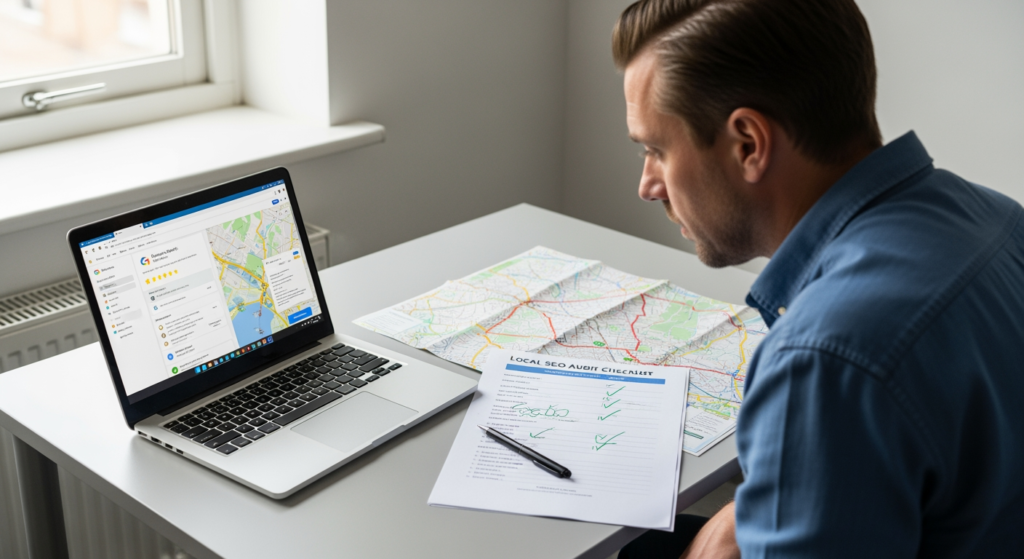
Tour operators often have a simple problem with an expensive consequence: people are searching for tours in their area, but Google shows competitors, directories, or outdated listings instead. This case study is for tour and activity businesses (and the marketers helping them) who want a clearer path to better local visibility without guessing what to fix first. We’ll walk through a realistic tour operator local SEO scenario—what was broken, what we prioritized, and what outcomes we looked for along the way. The goal isn’t to promise a specific ranking or timeline (local search can be unpredictable), but to show a repeatable process you can apply to your own market. If you’re new to local search fundamentals, start with Understanding the Role of Google Business Profile in Local SEO Success for a strong baseline.
The Essentials: What This Case Study Shows
- Local visibility usually breaks in a few predictable places: inconsistent business info, weak location relevance on-site, and under-optimized Google Business Profile.
- We prioritized “accuracy first” before “content more”: fixing listings and duplicates came before publishing new pages.
- We focused on conversion-ready local signals: service areas, tour categories, and booking intent—not just generic “things to do” content.
- Results were evaluated with practical indicators: improved map impressions, more qualified calls/messages, and cleaner branded search results (not a guaranteed rank).
- The process is reusable: you can run the same audit and rollout steps whether you offer walking tours, boat tours, or multi-day packages.
How Local SEO Works for Tour Operators (Plain English)
Local SEO for a tour operator is about helping search engines connect three dots: who you are (business entity), what you offer (tour types), and where you serve (city/areas you pick up or depart from). For many tour businesses, the “where” is tricky because you might have one office address but run tours across multiple neighborhoods, parks, or nearby towns.
In practice, Google tends to rely heavily on your Google Business Profile for map visibility, and your website for detailed relevance (tour pages, FAQs, policies, pickup locations, and proof you actually serve the area). Your citations (directory listings) act like background verification—if your name, address, and phone number don’t match across the web, trust can erode and your visibility can get noisy.

The Real Cost of Being “Hard to Find” in Local Search
For tour operators, local search issues aren’t just “marketing problems”—they can show up as operational headaches:
- Wasted lead handling: calls from the wrong city, people asking if you’re still open, or confusion about pickup points.
- Higher dependency on OTAs and directories: when your own brand doesn’t show well, you may lean more on third parties that take a cut.
- Seasonality pressure: if visibility dips during peak season, you don’t get that time back.
- Reputation drag: outdated hours, wrong phone numbers, or duplicates can lead to avoidable bad experiences and reviews.
None of this requires a dramatic “SEO overhaul.” Most of the time, it’s a handful of fixes done in the right order.
Case Background: A Growing Tour Company With Inconsistent Visibility
Business type: Local tour operator offering small-group experiences (multiple tour categories) with online booking.
Situation: The company had steady word-of-mouth demand, but local search performance was inconsistent. Some days they appeared well for branded searches; other days, a directory listing or an old business name showed up first. Non-branded searches (like tour-related queries) were hit-or-miss.
What they already had:
- A functional website with booking links
- A Google Business Profile with basic info
- Several directory listings created over time
- Reviews coming in sporadically
The Challenge: Duplicate Listings, Blurry Service Areas, and Thin Tour Pages
We treated this like a diagnostic project instead of a content sprint. The main issues fell into three buckets:
- Citation inconsistency: variations in business name formatting, old phone numbers, and duplicate profiles on a few platforms.
- Unclear location relevance: the website mentioned the city, but key tour pages didn’t clearly describe departure points, neighborhoods served, or pickup logistics.
- GBP under-utilization: categories, services, and photos existed, but weren’t structured to match the core tour offerings and booking intent.
The Approach We Took: A Practical Local SEO Rollout
Instead of doing “everything at once,” we used a staged approach designed to reduce confusion for both users and search engines.
Phase 1: Entity cleanup (accuracy and duplicates)
- Standardized the business name, address formatting, and primary phone number across priority listings.
- Identified duplicates and outdated profiles and queued them for removal/merge where possible.
- Documented a single “source of truth” NAP to prevent future drift.
Phase 2: Google Business Profile alignment (match what you sell)
- Reviewed primary and secondary categories to better reflect actual tour types.
- Expanded services and descriptions to mirror the top-selling experiences.
- Updated business description to include clear service area language without stuffing keywords.
- Added photo coverage that supported trust: meeting points, vehicles/boats (if applicable), group size vibe, and guide professionalism.
Phase 3: Website relevance (make tour pages do the heavy lifting)
- Upgraded core tour pages with practical local context: start locations, approximate duration, what’s included, and who it’s for.
- Added a dedicated “Service Area / Where We Operate” section that matched real operations (not aspirational cities).
- Improved internal linking so search engines could connect the homepage, tour category pages, and booking pages.
Phase 4: Review and Q&A hygiene (reduce friction)
- Created a consistent review request process post-tour (timing and wording).
- Prepared responses for common concerns (weather, cancellations, accessibility, parking/pickup).
- Added FAQs on-site to match the questions people ask before booking.
Results We Looked For (and What Improved)
Because local search performance varies by market and competition, we focused on outcomes that indicate healthier visibility and better customer experience—rather than promising a specific position in results.
- Cleaner branded search results: fewer confusing duplicates and fewer “wrong” listings competing for the brand name.
- More consistent map presence: improved stability for relevant searches tied to the company’s tour categories and primary service area.
- More qualified inquiries: calls/messages that matched the actual tours offered and the real operating area.
- Better on-page engagement: tour pages answered key pre-booking questions more clearly, reducing back-and-forth.
One notable change: once the business information was consistent and the tour pages were more specific, the company spent less time correcting misunderstandings (like pickup locations and tour inclusions). That’s not just SEO—that’s operational clarity.
Mistakes That Commonly Derail Local Visibility (Checklist)
- ☐ Creating multiple listings “just in case”: duplicates can split trust signals and confuse customers.
- ☐ Using a vague service area: listing cities you don’t actually serve can lead to poor-fit leads and weaker relevance.
- ☐ Treating tour pages like brochures: pages need local specifics (meeting point, landmarks, neighborhoods) and booking intent details.
- ☐ Ignoring category alignment in GBP: if your categories don’t match what you sell, you’re competing in the wrong lane.
- ☐ Letting NAP drift over time: small inconsistencies add up across directories and data aggregators.
- ☐ Posting content without fixing the foundation: more blogs won’t compensate for wrong phone numbers or duplicate listings.
A Smart Action Plan You Can Use This Week (Checklist)
- ☐ Write down your “source of truth” NAP: exact business name, address formatting, and primary phone number.
- ☐ Audit your top listings: Google Business Profile first, then major directories where customers might find tours.
- ☐ Search for duplicates: look for old names, old addresses, and alternate phone numbers.
- ☐ Tighten your GBP categories and services: align them to your highest-demand tour types.
- ☐ Upgrade your top 3 tour pages: add meeting point details, “who it’s for,” inclusions, and clear booking steps.
- ☐ Add a service area section on your site: be accurate and specific about where you operate.
- ☐ Build a repeatable review request process: make it easy for happy customers to leave feedback.
Professional Insight: The Fastest Wins Usually Aren’t “More Content”
In practice, we often see tour businesses publish more pages and posts when the real bottleneck is conflicting business data (duplicates, old numbers, mismatched addresses) or a Google Business Profile that doesn’t clearly map to their core tour offerings. When you fix clarity first—entity accuracy, categories, and tour-page specifics—your content tends to perform better because it’s supporting a clean foundation instead of trying to compensate for it.
Signs It’s Time to Bring in Local SEO Help
- You find multiple versions of your business online (old addresses, old phone numbers, or different names).
- Your Google Business Profile keeps getting edits you didn’t make (hours, categories, or address changes).
- You operate in multiple pickup areas and aren’t sure how to represent that without risking confusion.
- Your tours are popular, but search visibility is inconsistent and you can’t pinpoint why.
- You’ve “done SEO” before but never had a clear audit trail of what changed and what it impacted.
Your Questions, Answered for Tour Businesses
Do I need a physical office address to show up on Google Maps?
Not always. Some businesses can use service-area settings depending on how they operate and what Google allows for their category. The key is following platform guidelines and keeping your information consistent everywhere.
Should a tour company create separate pages for every neighborhood or nearby town?
Only if those pages provide genuinely useful, unique information (like different meeting points, routes, or tour variations). Thin pages that repeat the same content with swapped place names can create quality issues.
What matters more: reviews or citations?
They support different parts of local visibility. Reviews can influence trust and conversions, while citations help confirm business details across the web. Many businesses benefit from addressing both, starting with accuracy.
How can I tell if duplicate listings are hurting me?
Common signs include customers calling the wrong number, seeing conflicting hours, or finding multiple map pins for your brand. A structured audit typically reveals where duplicates exist and which ones matter most.
What’s one on-site change that helps tour pages perform better locally?
Add clear location specifics that match real operations—meeting point guidance, landmarks, pickup rules, and where the tour runs. This improves user clarity and strengthens local relevance signals.
Taking Action: Build a Stronger Local Presence
This case study highlights a repeatable pattern: stabilize your business data, align your Google Business Profile to what you actually sell, and make your tour pages location-specific in a helpful (not spammy) way. If you’re trying to improve local visibility, start with the foundation—accuracy and clarity—then layer in content and reviews. Done in the right order, the work compounds over time, and your customers get a smoother booking experience.
Get Your Free Quote
Find out how we can help with a no-obligation quote.
